
What Is the Downside of Tankless Water Heaters?
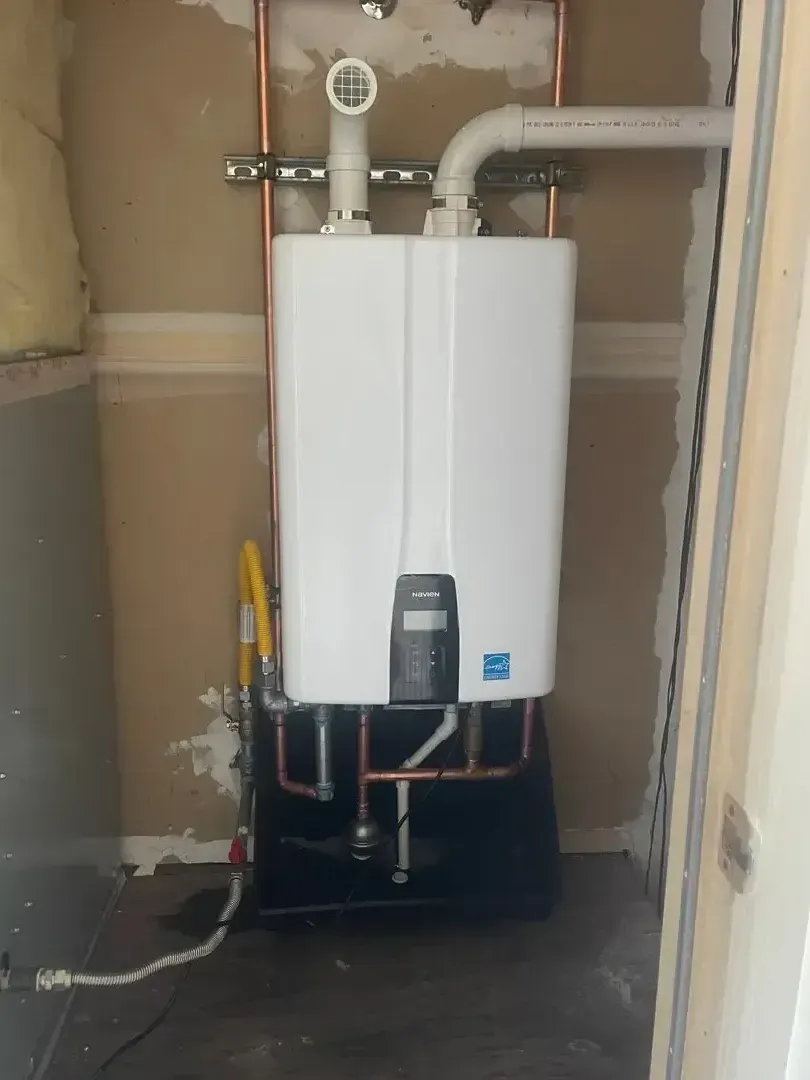
The main downsides of tankless water heaters are the higher upfront cost and installation expense, limited flow rate that can struggle with simultaneous hot water use, slower hot water delivery, dependency on electricity, and the need for regular descaling maintenance. They also can have temperature fluctuations, known as the cold water sandwich, and may not pay off if your hot water demand is low.
The Main Downsides of Tankless Water Heaters
Compared to a traditional storage tank water heater, tankless units have several real drawbacks that homeowners should weigh before switching. Here's a clear comparison of the key downsides.
| Downside | What It Means | Impact |
|---|---|---|
| Higher upfront cost | Purchase price and installation are more expensive than a tank heater. | Initial investment is significantly higher. |
| Limited flow rate | Can only heat a certain number of gallons per minute (GPM). | Running multiple fixtures at once may cause temperature drops. |
| Slower hot water | Water must travel through the unit and heat up before reaching the tap. | Hot water takes longer to arrive at distant faucets. |
| Electricity required | Even gas models use electric ignition and controls. | No hot water during a power outage. |
| Maintenance needs | Requires periodic descaling to remove mineral buildup. | Adds ongoing maintenance tasks and cost. |
| Cold water sandwich | Brief cold burst between hot water uses when the unit cycles off and on. | Annoying temperature fluctuations. |
These downsides aren't deal-breakers for every home, but they're important to understand before you invest. The right choice depends on your household's hot water habits and budget.
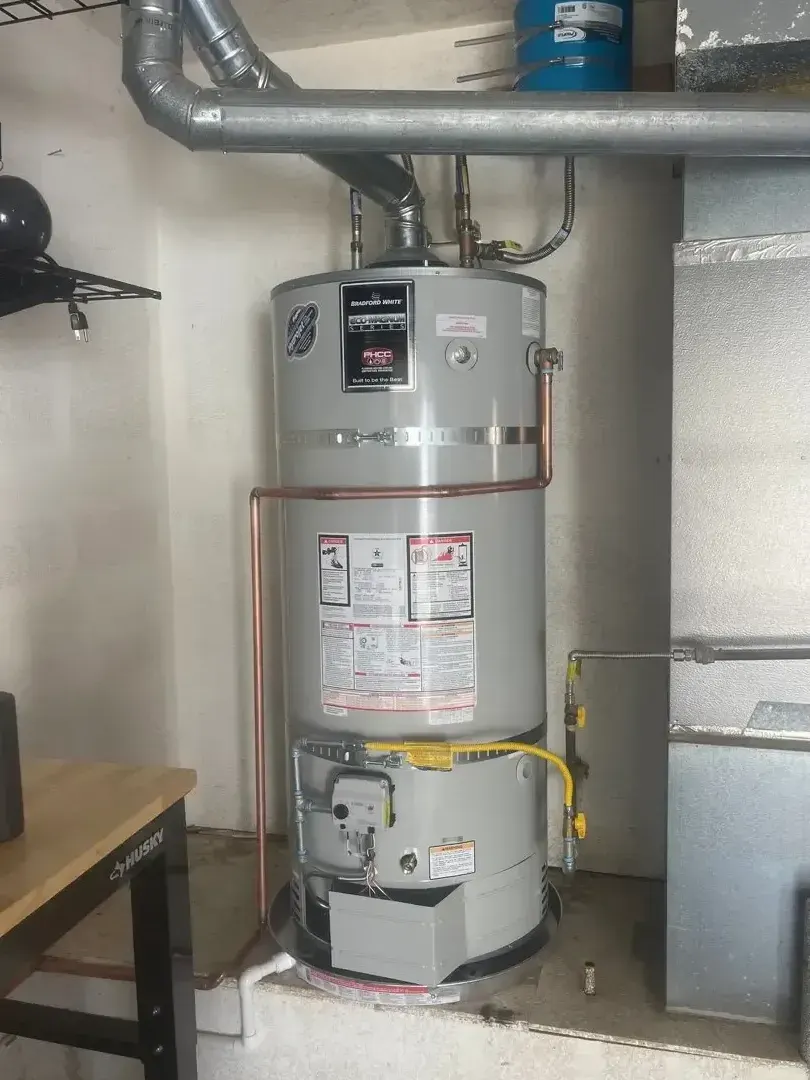
Higher Upfront Cost and Installation Expenses
Tankless water heaters are more expensive to buy and install than traditional tank models. The unit itself costs more, and installation often requires additional work like upgrading gas lines, venting, or electrical service.
| Cost Factor | Why It Matters | Typical Range |
|---|---|---|
| Unit price | Tankless models have more complex components and technology. | Generally $800–$2,500 or more, depending on size and features. |
| Labor and installation | May need new gas line, venting, or electrical upgrades. | Installation often runs $1,000–$2,500, but varies widely. |
| Additional materials | New piping, fittings, and possibly a water softener if hard water is an issue. | Varies by home; ask for a detailed quote. |
| Permits and inspections | Local codes may require permits, which add to the total. | Varies by city; typically $100–$500. |
For comparison, a standard tank water heater replacement in our area typically runs $1,200–$2,500 installed. Tankless units are a bigger investment upfront, but they can last longer and use less energy over time.
At CNTRLine Plumbing, we provide free quotes before any work begins, so you'll know the full cost ahead of time. We serve Rohnert Park, Cotati, Penngrove, Santa Rosa, Petaluma, Windsor, Novato, and San Rafael.
Flow Rate Limits and Hot Water Demand
One of the biggest concerns homeowners have is whether a tankless water heater can keep up with their household's hot water demand. The answer depends on the unit's flow rate, measured in gallons per minute (GPM).
| Household Size | Typical Hot Water Use | Recommended Flow Rate |
|---|---|---|
| 1–2 people | One shower at a time, occasional dishwasher or laundry. | 6–8 GPM |
| 3–4 people | Two showers simultaneously, plus appliances. | 8–11 GPM |
| 5+ people | Multiple showers, laundry, and dishwasher at once. | 11+ GPM or consider multiple units |
If you exceed the unit's GPM rating, the water temperature will drop. For example, running two showers at once might work fine, but adding a dishwasher could push it over the limit.
For large families, a tankless water heater can still work if you choose a high-capacity model or install two units in parallel. However, that increases the cost significantly. A storage tank heater might be simpler and more cost-effective for high simultaneous demand.
Electricity Dependency, Water Quality, and Maintenance Needs
All tankless water heaters require electricity, even gas-powered ones, because they use electronic ignition and control boards. That means a power outage leaves you without hot water. Additionally, they're sensitive to water quality and need regular maintenance.
- Electricity required: If the power goes out, your tankless water heater won't operate, regardless of fuel type.
- Water quality sensitivity: Hard water can cause mineral scale buildup inside the heat exchanger, reducing efficiency and lifespan.
- Descaling needed: Annual descaling with a vinegar or citric acid solution is recommended to remove scale and keep the unit running properly.
- Filter cleaning: Some models have inlet filters that need periodic cleaning to prevent debris from entering the unit.
- Professional maintenance: While some homeowners DIY, a licensed plumber can perform descaling and inspect the unit for issues.
In areas with hard water, like parts of Sonoma and Marin County, a water softener can help reduce scale buildup. But that's an additional expense to factor in.
Directions to our plumber in Rohnert Park from El Camino High School
Start at El Camino High School and head to CNTRLine Plumbing at 6463 Meadow Pines Ave, Rohnert Park, CA 94928-2794.
Is a Tankless Water Heater Right for Your Home?
Deciding between a tankless and a storage tank water heater comes down to your priorities and household needs. Here's a quick guide to help you decide.
A good fit if…
- You want endless hot water and don't mind a slightly slower delivery.
- You're planning to stay in your home long enough to recoup the higher upfront cost through energy savings.
- You have space constraints and want to free up floor area.
- You're building a new home or doing a major remodel where installation can be planned.
Consider another option if…
- Your household frequently runs multiple showers and appliances at the same time.
- You're on a tight budget and can't absorb the higher upfront cost.
- You live in an area with frequent power outages and need hot water during outages.
- You have very hard water and aren't prepared to manage descaling or install a softener.
The best way to decide is to have a professional assess your home's hot water needs and provide a quote. At CNTRLine Plumbing, we offer free quotes and same-day service on most calls. Call us at (707) 308-5599 to discuss your options.
Performance Issues: Cold Water Sandwiches and Temperature Fluctuations
Even well-installed tankless water heaters can have performance quirks that homeowners notice. The most common is the cold water sandwich, along with inconsistent temperatures during heavy use.
- Cold water sandwich: When you turn off hot water and turn it back on within a few minutes, you may get a burst of cold water before the unit reheats.
- Temperature fluctuations: If the flow rate drops below the unit's minimum activation threshold, the heater may cycle off and on, causing temperature swings.
- Slower hot water delivery: Because the unit heats water on demand, it takes longer for hot water to reach distant faucets compared to a tank that keeps water hot continuously.
- Recirculation needed: To reduce wait time, a hot water recirculation loop may be required, which adds installation cost.
These issues are not deal-breakers but are worth knowing about. A properly sized unit and professional installation can minimize them.
What Plumbers Say About Tankless Water Heaters
As plumbers, we see both the benefits and the downsides of tankless water heaters in real homes across Rohnert Park and the surrounding areas. The honest answer is that they're a great fit for some households, but not all.
We often recommend tankless units for homeowners who want energy efficiency, endless hot water, and a longer lifespan. But we also caution that the higher upfront cost and maintenance requirements catch some people off guard. If a household has high simultaneous demand, a tankless unit might not keep up without a larger model or multiple units.
Our advice: get a professional assessment of your hot water needs before making a decision. We're happy to provide a free quote and honest guidance. Call us at (707) 308-5599 or visit our plumber rohnert park page to learn more about our services.
Lifespan, Home Value, and Long-Term Payoff
Tankless water heaters are built to last longer than traditional tanks, which can offset some of the higher upfront cost. They also may add to your home's resale value, though the impact varies.
| Factor | Tankless Water Heater | Storage Tank Water Heater |
|---|---|---|
| Lifespan | 20+ years with proper maintenance | 10–15 years |
| Energy efficiency | Up to 25% more efficient than tanks (per EPA WaterSense) | Standard efficiency |
| Home value | May be a selling point for energy-conscious buyers | Generally neutral |
| Maintenance | Annual descaling required | Minimal, but tank flushing recommended |
While the upfront cost is higher, the longer lifespan and energy savings can make a tankless unit a better long-term investment. However, if you plan to move within a few years, you may not recoup the initial expense.
Sources
Also asked as
- What are the cons of tankless water heaters?
- Are tankless water heaters worth it?
- What are the disadvantages of going tankless?
Frequently asked questions
Why does my shower get cold with a tankless water heater?
This is often the cold water sandwich effect, where the unit cycles off and on when you briefly turn off the hot water. It can also happen if the flow rate drops below the unit's minimum activation point, causing it to shut down temporarily. A recirculation loop or a properly sized unit can help.
How long do tankless water heaters last compared to regular water heaters?
Tankless water heaters typically last 20 years or more with regular maintenance, while storage tank models last about 10–15 years. The longer lifespan can offset the higher initial cost, but only if you maintain the unit properly.
Are tankless water heaters good for large families?
They can be, but you need a unit with a high enough flow rate to handle simultaneous hot water use. For large families, a high-capacity model or multiple units may be necessary, which increases the cost. A storage tank heater might be simpler and more cost-effective for very high demand.
Do tankless water heaters increase home value?
They can be a selling point for energy-conscious buyers, but the impact on home value varies. Some real estate professionals consider them an upgrade, while others see them as a neutral feature. The key is that they offer energy savings and a longer lifespan, which some buyers appreciate.
What do plumbers say about tankless water heaters?
Plumbers generally see them as a good option for energy efficiency and endless hot water, but they also warn about the higher upfront cost, maintenance needs, and flow rate limitations. The best choice depends on your household's specific hot water usage and budget.