
Can Plumbers Put in Gas Lines? Yes—Here's What You Need to Know
Yes, a properly licensed plumber can put in gas lines. Gas line work requires specific training, permits, and inspections. Our team at CNTRLine Plumbing is licensed, bonded, and insured to handle gas line installations safely and code-compliantly in Rohnert Park and nearby areas.
Can Plumbers Put in Gas Lines? Yes—Here’s What You Need to Know
Yes, plumbers can put in gas lines. In fact, gas piping is a core part of professional plumbing services. A properly licensed plumber has the training and certification to install, repair, and maintain gas lines safely, following the California Plumbing Code and NFPA 54 (National Fuel Gas Code).
- Licensing matters – In California, gas line work must be done by a licensed contractor. CNTRLine Plumbing holds CSLB #1036920, so you’re covered.
- Safety is non-negotiable – Gas line services involve significant safety risks, including leaks and explosions. Professionals use pressure testing and leak detection to ensure safety.
- Permits are required – Most gas line installations need a permit from the local building department, like Rohnert Park building permits. Your plumber should handle this.
- Inspections are part of the job – After installation, a Sonoma County inspection ensures the work meets code. This protects you and your home.
- Materials matter – Plumbers choose between black iron pipe and CSST (corrugated stainless steel tubing) based on the application. Each has its own installation rules.
- Experience counts – Certified plumbers can work on gas lines because they’ve been trained on the specific codes and techniques. Don’t hire a handyman for this.
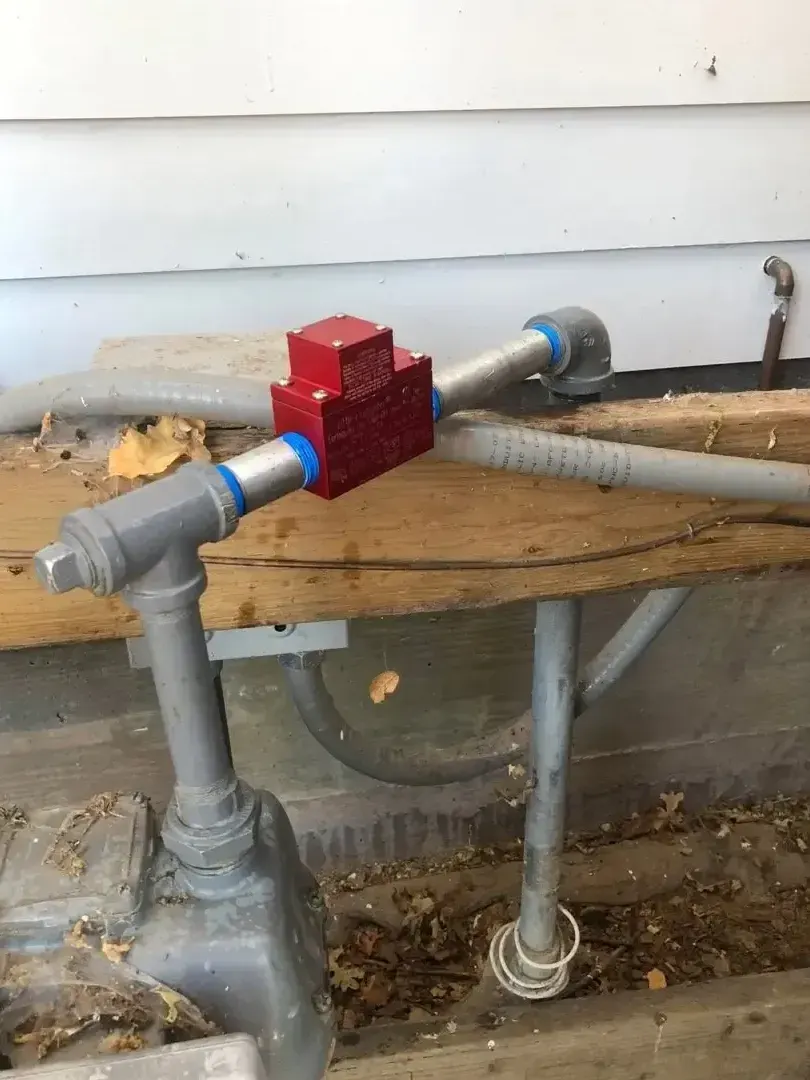
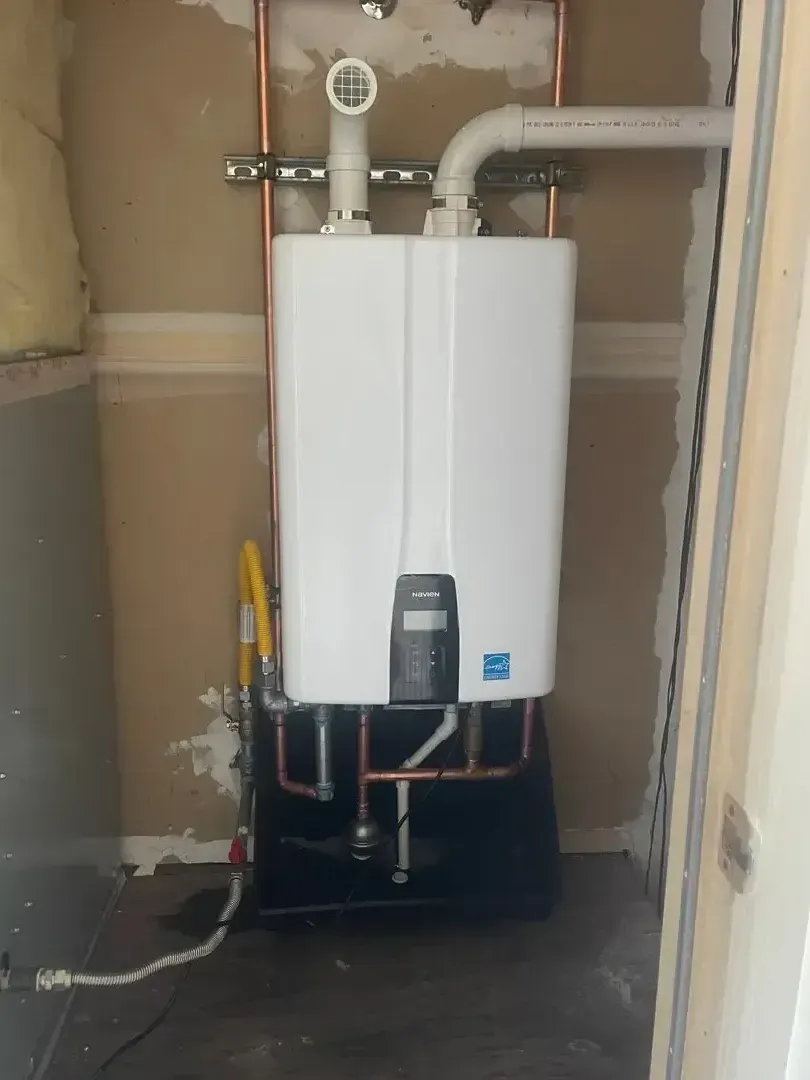
Hire a Licensed Plumber for Gas Line Installation in Rohnert Park
If you need a gas line installed in Rohnert Park, Cotati, Penngrove, Santa Rosa, Petaluma, Windsor, Novato, or San Rafael, our team at CNTRLine Plumbing is ready. We’re open 7 days a week, 24/7 for emergencies, and offer same-day service on most calls.
- Call us – Dial (707) 555-5599 to discuss your project. We’ll ask about the appliance, location, and current setup.
- Get a free quote – We provide free quotes before any work begins, so you know the cost upfront.
- Schedule the work – We’ll find a time that works for you, often the same day.
- We handle permits – We pull the necessary Rohnert Park building permits and schedule inspections.
- Installation and testing – We install the gas line, pressure test it, and check for leaks before we’re done.
- Final inspection – The local inspector verifies the work, and you’re safe to use your appliance.
Can a Plumber Hook Up a Gas Stove or Cooker? Yes—Here’s How
Yes, a plumber can hook up a gas stove, cooker, or grill. This is a common job that involves connecting the appliance to your gas line, ensuring the connection is tight and leak-free. It’s not just about screwing in a hose—it requires knowledge of gas codes and safety practices.
A good fit if…
- You’re installing a new gas stove or converting from electric to gas.
- You need a gas line run to a new location for a grill or outdoor kitchen.
- You want peace of mind that the connection is safe and code-compliant.
Consider another option if…
- You only need to plug in an existing gas appliance with a quick-connect fitting—though even then, a plumber can verify safety.
- You’re dealing with a propane system, which may require a different specialist.
How to decide: If you’re unsure about the gas connection, always hire a licensed plumber. The cost is minimal compared to the risk of a gas leak.
What Gas Line Installation Involves: Safety, Permits, and Inspections
Gas line installation is a multi-step process that prioritizes safety. Here’s what a professional plumber does:
- Assessment – The plumber evaluates your current gas system, appliance requirements, and the path for the new line.
- Permit application – They apply for the necessary permits with the local building department.
- Installation – Using black iron pipe or CSST, they run the line, secure it, and connect it to the appliance.
- Pressure testing – The system is pressurized to check for leaks. This is a critical safety step.
- Inspection – A local inspector reviews the work to ensure it meets the California Plumbing Code and NFPA 54.
- Final hookup – Once approved, the plumber connects the appliance and tests it for proper operation.
Common mistakes during gas line installation include using the wrong materials, improper sizing, and failing to secure the line. A licensed plumber avoids these pitfalls.
Directions to our plumber in Rohnert Park from Sonoma State University
Start at Sonoma State University and head to CNTRLine Plumbing at 6463 Meadow Pines Ave, Rohnert Park, CA 94928-2794.
Gas Line Installation Cost: What to Expect When Hiring a Plumber
The cost to install or move a gas line varies widely based on factors like the distance from your meter, the number of appliances, and local permit fees. Here’s a breakdown of what drives the price:
| Factor | Why It Matters | Typical Range (General) |
|---|---|---|
| Permit fees | Required by local codes; varies by city. | $50–$300 |
| Labor | Plumber’s time, including travel and installation. | $50–$150 per hour |
| Materials | Black iron pipe, CSST, fittings, and shut-off valve. | $100–$500 |
| Distance from meter | Longer runs require more pipe and labor. | Varies by linear foot |
| Appliance type | Stoves, dryers, and grills have different connections. | Varies |
| Accessibility | Hard-to-reach areas increase labor time. | Varies |
For a specific quote, contact us. We provide free quotes before any work begins, so you’ll know the exact cost upfront.
DIY Gas Line Installation: Is It Legal or Safe?
DIY gas line work is generally not legal for homeowners in California unless you are a licensed contractor. Even if it were legal, the safety risks are too high. Here’s what to consider:
- Legal requirements – In most jurisdictions, gas piping must be installed by a licensed plumber. Doing it yourself can result in fines and failed inspections.
- Safety risks – A gas leak can cause fires, explosions, or carbon monoxide poisoning. Professionals use pressure testing and leak detection to prevent these.
- Insurance implications – If you do the work yourself and something goes wrong, your homeowner’s insurance may not cover the damage.
- Permits – You’ll need a permit, and the work must pass inspection. A licensed plumber knows how to navigate this.
- Peace of mind – Hiring a professional ensures the job is done right, protecting your family and property.
Sources
Also asked as
- Can plumbers install gas lines?
- Do plumbers work on gas lines?
- Who can run a gas line?
Frequently asked questions
Do plumbers also work on gas lines?
Yes, plumbers are trained to work on gas lines as part of their trade. They handle installation, repair, and maintenance of gas piping, ensuring compliance with local codes and safety standards.
How much does it cost to get a gas pipe moved?
The cost to move a gas pipe varies based on the distance, accessibility, and local permit fees. It can range from a few hundred to over a thousand dollars. We recommend getting a free quote from a licensed plumber.
How much does a plumber charge to cap off a gas line?
Capping off a gas line is a relatively simple job, but it requires safety precautions. Costs can range from $100 to $300, depending on the location and whether a permit is needed. Always hire a licensed plumber for this task.
Can a plumber fit a gas cooker?
Yes, a plumber can fit a gas cooker. This involves connecting the cooker to the gas supply, ensuring the connection is leak-free, and verifying proper operation. It's a job best left to a professional.
Is it legal to connect your own gas cooker?
In most areas, it is not legal for a homeowner to connect a gas cooker without a license. Gas work must be performed by a licensed professional to ensure safety and code compliance. Check your local regulations.