
What Are the Different Types of Plumbers? Your Complete Guide
The main types of plumbers include residential, commercial, industrial, service and repair, and pipefitters/steamfitters. Each specializes in different systems, from home fixtures to large-scale piping. Choosing the right one depends on your project's scope and location.
What Are the Different Types of Plumbers? A Complete Breakdown
Plumbers fall into a few broad categories based on where they work and what they handle. Understanding these types helps you know who to call and what to expect.
| Type | Focus | Common Tasks | Where They Work |
|---|---|---|---|
| Residential plumber | Home plumbing systems | Fixing leaks, installing fixtures, water heaters | Houses, apartments, condos |
| Commercial plumber | Large-scale buildings | Complex piping, code compliance, high-volume systems | Offices, schools, hospitals, retail |
| Industrial plumber | Factories and plants | Heavy-duty pipes, process systems, safety equipment | Manufacturing facilities, refineries |
| Service and repair plumber | Diagnosing and fixing issues | Drain cleaning, emergency repairs, replacements | Residential and commercial settings |
| Pipefitter | High-pressure piping | Installing and repairing pipes for gases, chemicals, steam | Industrial and commercial sites |
| Steamfitter | Steam and heating systems | Boilers, steam lines, high-temperature piping | Power plants, ships, large buildings |
Each type requires specific skills and often different certifications. For everyday home needs, a residential plumber covers most repairs and installations.
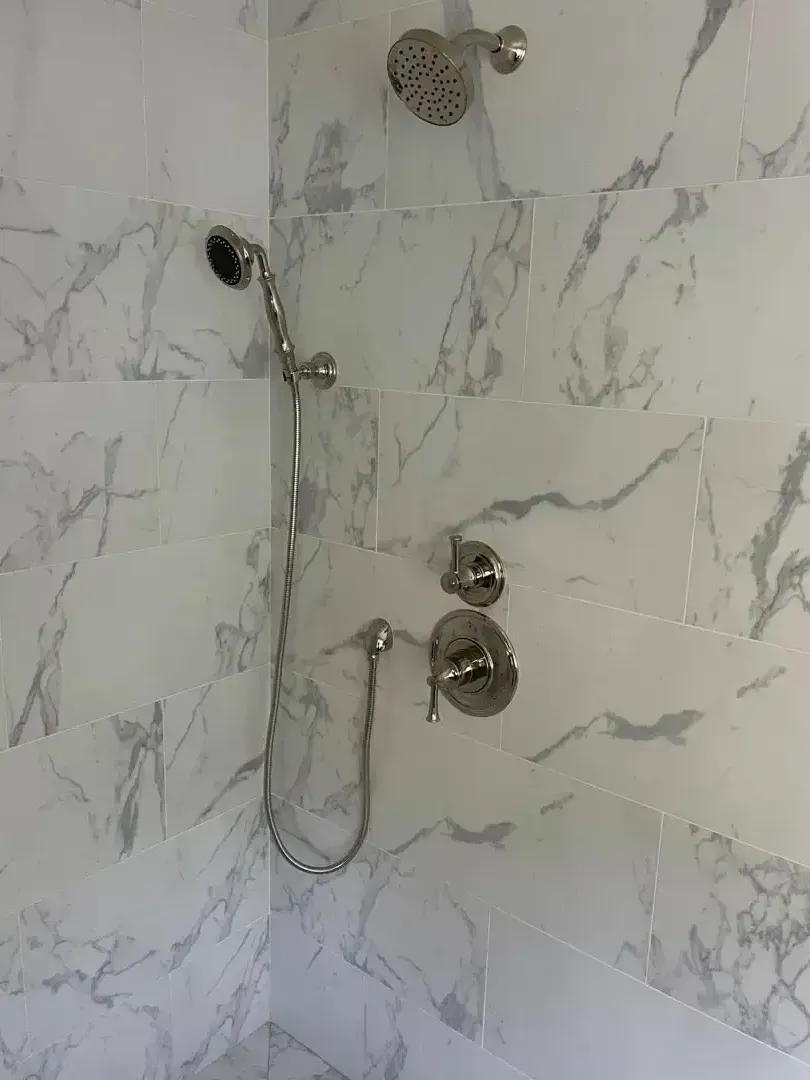
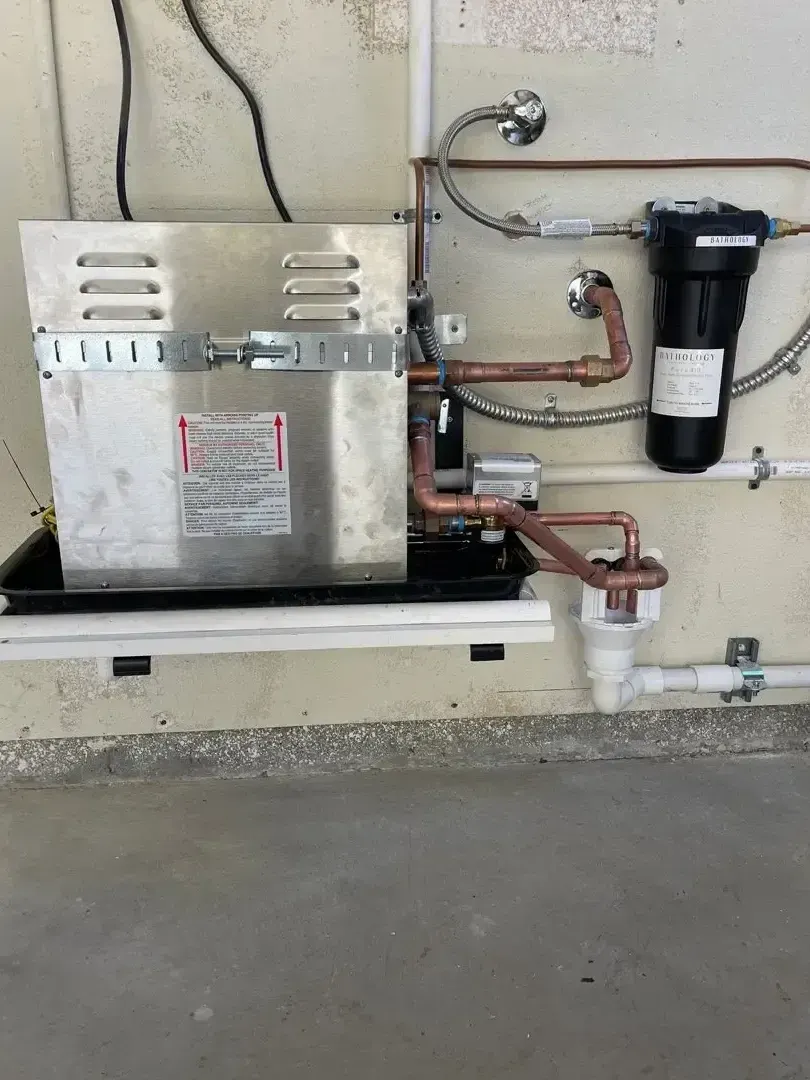
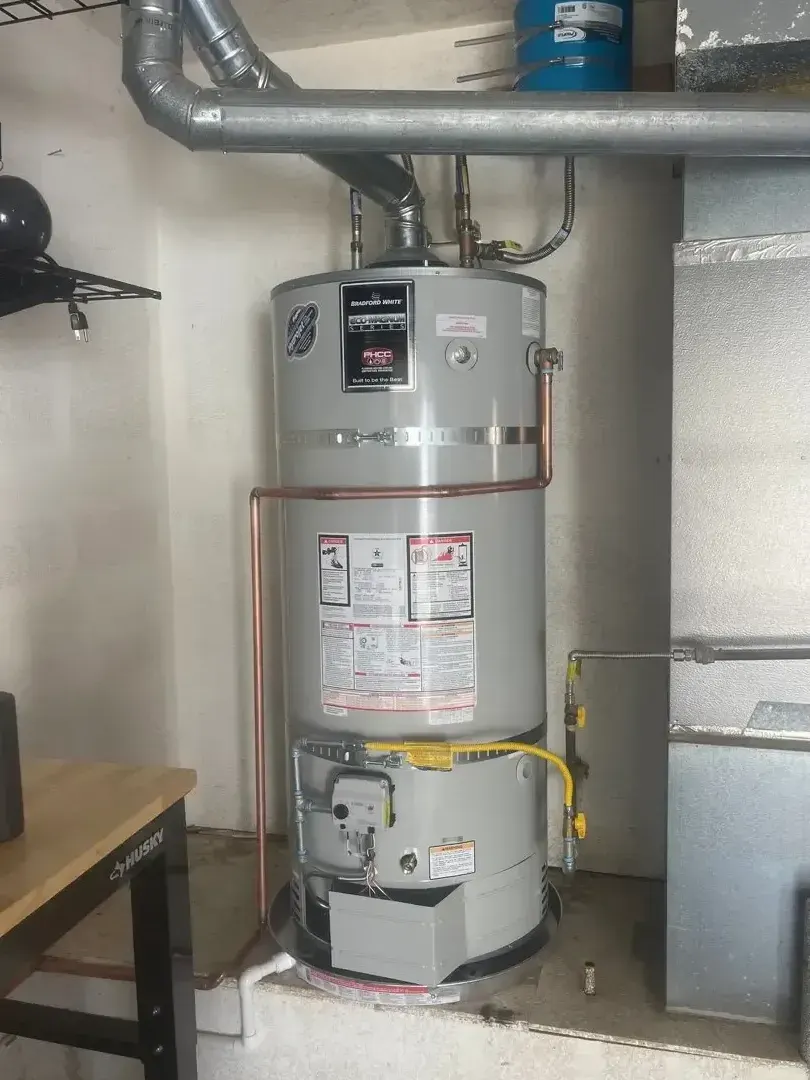
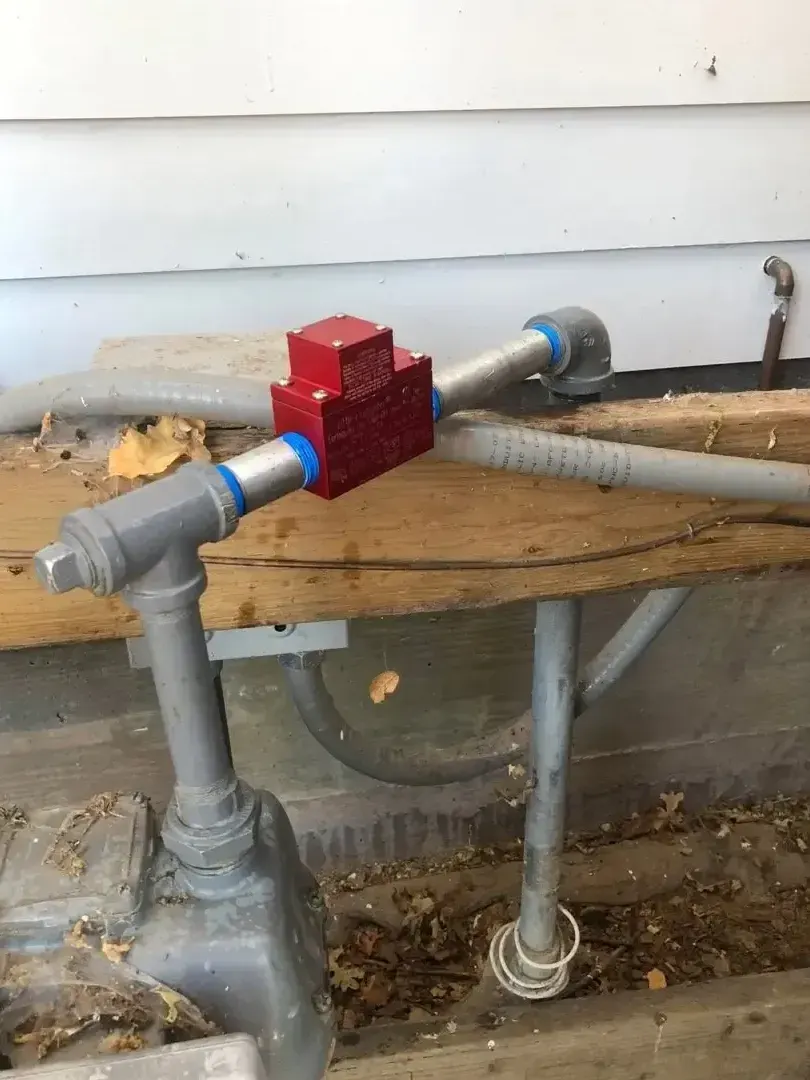
Plumber vs. Pipefitter vs. Steamfitter: Key Differences Explained
Though often grouped together, plumbers, pipefitters, and steamfitters have distinct roles. The main difference lies in the systems they work on and the materials they handle.
| Trade | Primary Systems | Materials | Typical Workplaces | Key Skills |
|---|---|---|---|---|
| Plumber | Water supply, drainage, venting | PVC, PEX, copper, galvanized steel | Homes, commercial buildings | Fixture installation, leak repair, code knowledge |
| Pipefitter | High-pressure pipes for liquids, gases, chemicals | Steel, copper, plastic, sometimes exotic alloys | Factories, power plants, refineries | Blueprint reading, welding, precision measuring |
| Steamfitter | Steam and heating systems, boilers | Steel, copper, cast iron | Power plants, ships, large commercial buildings | Boiler operation, high-temperature piping, safety protocols |
Pipefitters and steamfitters often require additional apprenticeships and certifications beyond standard plumbing. If you need home repairs, a plumber is the right choice; for industrial or steam systems, you'll need a specialized fitter.
Plumbing Career Paths: From Apprentice to Master Plumber
Plumbing careers follow a structured progression, each level with more responsibility and higher pay. Here's the typical path:
| Level | Role | Requirements | Typical Duties |
|---|---|---|---|
| Apprentice | Entry-level trainee | High school diploma, apprenticeship program | Assist journeymen, learn basics, handle tools |
| Journeyman | Licensed plumber | Complete apprenticeship, pass exam | Independently install and repair systems |
| Master plumber | Senior expert | Years of experience, advanced exam | Supervise projects, design systems, run business |
Other related titles include pipe layer (installing underground pipes), gas fitter (installing gas lines), and sprinkler fitter (fire suppression systems). Each path requires specific training and certification.
Types of Plumbing Pipes: Which Material Is Used Where?
Different pipe materials serve different purposes. Knowing them helps you understand what your home uses and why.
| Material | Common Uses | Pros | Cons |
|---|---|---|---|
| PVC | Drainage, venting, main water lines | Inexpensive, corrosion-resistant | Not for hot water, can crack if frozen |
| PEX | Water supply lines | Flexible, easy to install, freeze-resistant | Not UV-resistant, can be chewed by rodents |
| Copper | Water supply, refrigerant lines | Durable, heat-resistant, long-lasting | Expensive, can corrode in acidic water |
| Galvanized steel | Older homes, gas lines | Strong, pressure-resistant | Corrodes over time, reduces water flow |
For most modern residential plumbing, PEX and copper dominate water supply, while PVC handles drainage. Older homes may still have galvanized steel, which often needs replacement.
Directions to our plumber in Rohnert Park from Naval Outlying Landing Field Cotati
Start at Naval Outlying Landing Field Cotati and head to CNTRLine Plumbing at 6463 Meadow Pines Ave, Rohnert Park, CA 94928-2794.
Which Plumber Should You Call? Services by Specialty
When you have a plumbing issue, knowing which type of plumber to call saves time and money. Here's a quick guide:
| Issue | Best Plumber Type | Why |
|---|---|---|
| Leaky faucet | Residential service plumber | Specializes in home fixtures and repairs |
| Clogged drain | Service and repair plumber | Has drain cleaning equipment and expertise |
| Water heater replacement | Residential plumber | Handles tank and tankless installations |
| Commercial building issue | Commercial plumber | Understands complex systems and codes |
| Industrial process failure | Industrial plumber or pipefitter | Deals with high-pressure and specialized systems |
For most homeowners in Rohnert Park, a licensed residential plumber covers everything from drain cleaning to water heater replacement. We offer 24/7 emergency service and same-day appointments—call (707) 559-5599.
Plumber Salaries by Specialization: What to Expect
Plumber earnings vary by specialization, experience, and location. Here's a general look at what drives pay:
| Factor | Why It Matters | Typical Range |
|---|---|---|
| Specialization | Industrial and pipefitting often pay more due to complexity | Varies widely |
| Experience | Journeymen and masters earn more than apprentices | Increases with level |
| Location | Urban areas and regions with high demand pay higher | Varies by region |
| Union vs. non-union | Union jobs often have higher wages and benefits | Varies |
In general, pipefitters and steamfitters tend to earn more than residential plumbers due to the technical demands and industrial settings. However, residential plumbers in high-demand areas can also earn competitive salaries.
The Main Plumbing Systems: Water Supply, Drainage, and Venting
- Water supply system – Brings clean water into the building through pipes under pressure.
- Drainage system – Removes wastewater and sewage using gravity and slope.
- Venting system – Allows air into the drainage pipes to prevent siphoning and maintain flow.
These three systems work together to keep water flowing in and waste out. Plumbers must understand all three to install and repair effectively.
For details on services and visits, see the main page about plumber rohnert park.
Sources
Also asked as
- What are the different kinds of plumbers?
- What are the plumbing specialties?
- What types of plumbing jobs exist?
Frequently asked questions
What are the main types of plumbing?
The main types are water supply, drainage, and venting systems. Water supply brings clean water in, drainage removes wastewater, and venting allows air to regulate pressure and prevent clogs.
What is the difference between a steamfitter and a plumber?
A plumber works on water supply, drainage, and venting for homes and buildings. A steamfitter specializes in high-pressure steam and heating systems, often in industrial settings like power plants.
What skills do pipefitters need?
Pipefitters need blueprint reading, welding, and precision measuring skills. They must understand high-pressure systems and safety protocols, often requiring specialized apprenticeships.
What are other names for plumbers?
Other names include pipefitter, steamfitter, gas fitter, and pipe layer. These roles focus on specific systems, though they all involve pipe installation and repair.
What is a beginner plumber called?
A beginner plumber is called an apprentice. Apprentices work under licensed journeymen or master plumbers, learning the trade through hands-on experience and classroom instruction.