
How Often Should Plumbing Be Replaced in a House? Expert Guide for Homeowners
Plumbing should be replaced when it fails or reaches the end of its material's lifespan—typically 20–100 years. Copper can last 80 years, galvanized steel 50, and PEX 40–50. Watch for leaks, low pressure, or discolored water, and act before complete failure.
Signs It's Time to Replace Your Home's Plumbing
How do you know if your pipes are bad? Watch for these warning signs—if you spot several, it's time to consider repiping before a failure causes water damage.
- Frequent leaks – If you're patching leaks more than once a year, the pipe material is likely deteriorating throughout.
- Low water pressure – Mineral buildup or corrosion inside pipes restricts flow, a classic sign of aging.
- Discolored or rusty water – Brown or yellow water from your taps indicates corroding steel or iron pipes.
- Water quality issues – Metallic taste or sediment means pipe material is breaking down and contaminating your supply.
- Visible corrosion or bulging – Check exposed pipes in basements or crawl spaces for flaking, bulges, or green oxidation on copper.
- Unexplained water damage – Stains on ceilings or walls may signal a hidden pipe leak that's already spreading.
- Noisy pipes – Banging, gurgling, or whistling sounds can indicate loose or failing pipes.
How Often Should Plumbing Be Replaced? Lifespan by Pipe Material
How long does plumbing in a house last? It depends on the material. Here's a typical lifespan guide for water supply pipes.
| Pipe Material | Typical Lifespan | Common Issues | Replacement Signal |
|---|---|---|---|
| Copper | 70–80 years | Corrosion at joints, pinhole leaks | Leaks or blue-green stains on fittings |
| Galvanized steel | 40–50 years | Rust, mineral buildup, reduced pressure | Rusty water, low flow, visible corrosion |
| PEX | 40–50 years | UV damage, rodent chewing | Cracks or leaks near fittings |
| PVC | 25–40 years | Brittleness, cracking | Cracks or leaks in exposed sections |
| Cast iron (drain lines) | 75–100 years | Rust, scale, belly sagging | Frequent clogs, foul odors, leaks |
Copper supply pipes can last as long as 80 years, but galvanized steel often fails sooner. If your home has original pipes from the 1970s or earlier, they're likely at or past their expected life.
How House Age Tells You When to Replace Plumbing
Your home's age is a strong indicator of pipe condition. Use these steps to gauge urgency.
- Check the build year – If your home is 50 years or older, assume the original plumbing is nearing the end of its lifespan.
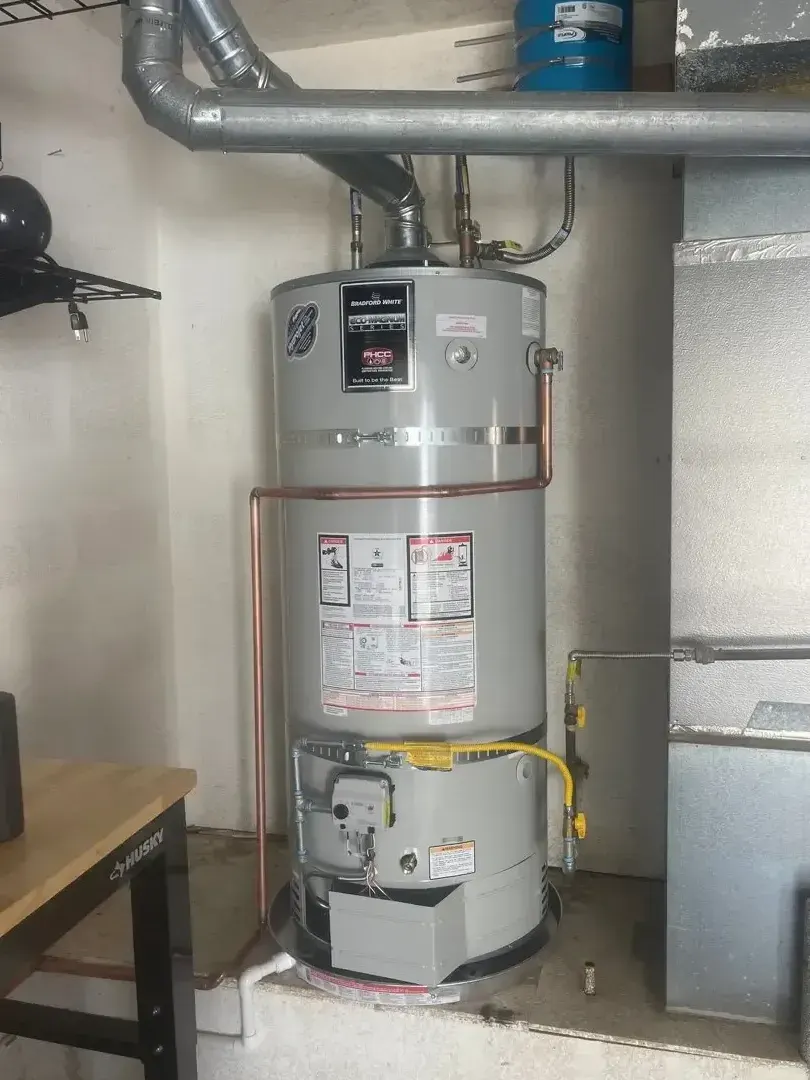
- Identify the pipe material – Look at exposed pipes in the basement, crawl space, or near the water heater. Galvanized steel was common before 1970; copper after.
- Review maintenance history – Ask previous owners or check records for any repiping or frequent repairs.
- Schedule a professional inspection – A licensed plumber can assess pipe condition and give a free quote before work begins.
- Plan for replacement – If pipes are original and over 50 years old, budget for repiping within the next few years.
Repair vs. Repipe: How Often Should Plumbing Be Replaced?
A good fit if…
- You have one isolated leak in otherwise sound pipes.
- Your pipes are less than 30 years old and show no corrosion.
- You're selling soon and need a quick fix.
Consider another option if…
- You've had multiple leaks in different areas.
- Water pressure is consistently low throughout the house.
- Pipes are galvanized steel and over 40 years old.
Repairing a single leak is cheaper upfront, but if your system is failing in multiple spots, repiping is more cost-effective long-term. A professional inspection helps decide.
Directions to our plumber in Rohnert Park from Rohnert Park, California
Start at Rohnert Park, California and head to CNTRLine Plumbing at 6463 Meadow Pines Ave, Rohnert Park, CA 94928-2794.
Cost and Value of Replacing Home Plumbing
Repiping costs vary widely based on home size, pipe material, and accessibility. Generally, expect a range from a few thousand to over $10,000 for a full repipe.
| Factor | Why It Matters | Typical Range |
|---|---|---|
| Home size | More bathrooms and fixtures mean more pipe and labor. | Varies by square footage |
| Pipe material | PEX is less expensive than copper; copper costs more but lasts longer. | PEX often lower, copper higher |
| Accessibility | Pipes behind walls or under slabs require more work. | Higher for difficult access |
| Permits and labor | Local codes and plumber rates affect the total. | Varies by location |
New plumbing does increase home value by improving reliability and water quality. It's a worthwhile investment for older homes.
Plumbing Replacement in Rohnert Park, CA – Call CNTRLine Plumbing
If you're in Rohnert Park, Cotati, Penngrove, Santa Rosa, Petaluma, Windsor, Novato, or San Rafael, our team at CNTRLine Plumbing can help. We're licensed, bonded, and insured (CSLB #1036920), and we've served Sonoma and Marin County since 2017.
- Call us – Dial (707) 308-5599 for a free quote before work begins.
- Schedule an inspection – We'll assess your pipes and recommend repair or repiping.
- Get same-day service – Most calls are handled the same day, with 24/7 emergency service.
We're open 7 days a week. For more about our plumbing services, visit our plumber rohnert park page.
Sources
Also asked as
- How often should plumbing be replaced in a house?
- When should I repipe my home?
- What is the lifespan of home plumbing pipes?
Frequently asked questions
How often do homes need to be repiped?
Most homes need repiping every 40–80 years, depending on pipe material. Copper can last up to 80 years, galvanized steel about 50, and PEX 40–50. If your home is older than 50 years and hasn't been repiped, it's wise to have an inspection.
How long does plumbing in a house last?
The lifespan varies by material: copper 70–80 years, galvanized steel 40–50, PEX 40–50, and PVC 25–40. Drain lines made of cast iron can last 75–100 years. Regular inspections help catch issues early.
How do you know if your pipes are bad?
Look for frequent leaks, low water pressure, discolored or rusty water, visible corrosion, and unexplained water stains. If you notice any of these, have a plumber evaluate your system.
What are the signs that a pipe has burst in my home?
A burst pipe often causes a sudden drop in water pressure, water stains on walls or ceilings, the sound of running water when nothing is on, and pooling water. Shut off your main water valve and call a plumber immediately.