
Why Incomplete Bathroom Planning Leads to Costly Problems in Tempe
Planning a bathroom remodel in Tempe demands a grounded approach that blends practical know-how with a clear-eyed view of trade offs. When homeowners skip steps or rush decisions, the consequences rarely show up immediately. They surface as delayed starts, budget creep, mismatched finishes, and a bathroom that simply doesn’t function as well as it should. In this article, I walk through the common failure points, illustrate with real-world scenarios, and offer a path to a calmer, more predictable outcome.
The Planning Pulse
A remodel starts long before the first shovel or the first tile. It begins with a well considered plan that translates your daily routines, storage needs, and aesthetic preferences into a concrete project.
Grounding your scope
When you set a scope, you should map out the entire bathroom from plumbing rough-ins to electrical outlets, vent placement, and drainage. In Tempe homes, the existing layout often pressures you to rearrange fixtures for better flow. If you don’t anticipate that pressure, you can end up paying a premium to reroute plumbing or rerun circuits late in the game.
A practical illustration is a master bath where a long vanity pushes against a door swing. If you identify the clash early, you can reconfigure the vanity position or swap to a narrower model before framing. Without that foresight, you pay for design changes houzz.com and additional wall work after construction starts.
Defining success metrics
What does success look like in a bathroom remodel? For many homeowners, it’s a quiet, durable surface that tolerates Tempe heat and hard water, plus a layout that keeps daily routines efficient. But success also means controllable budgets and a realistic timeline.
Write down nonnegotiables: shower size, tub inclusion, vent strength, storage needs, and accessibility considerations. Then add soft preferences: tile color family, countertop material, and fixture brands. The goal is not to chase every fancy option but to lock in a few anchors that shape decisions going forward.
Stakeholder alignment
A remodel touches multiple people in the home. If the spouse wants a more spacious shower while a teenager demands a louder vent, you need a mechanism to reconcile those needs without letting the project stall.
At this stage, gather input from all primary users and document it in one place. A shared reference helps you compare options later and prevents a single voice from driving decisions that affect others.
The Hidden Cost Conveyor
Incomplete planning tends to convert small gaps into expensive brakes on progress. In Tempe, where supply chains and trades can fluctuate with the seasons, insufficient foresight compounds risk.
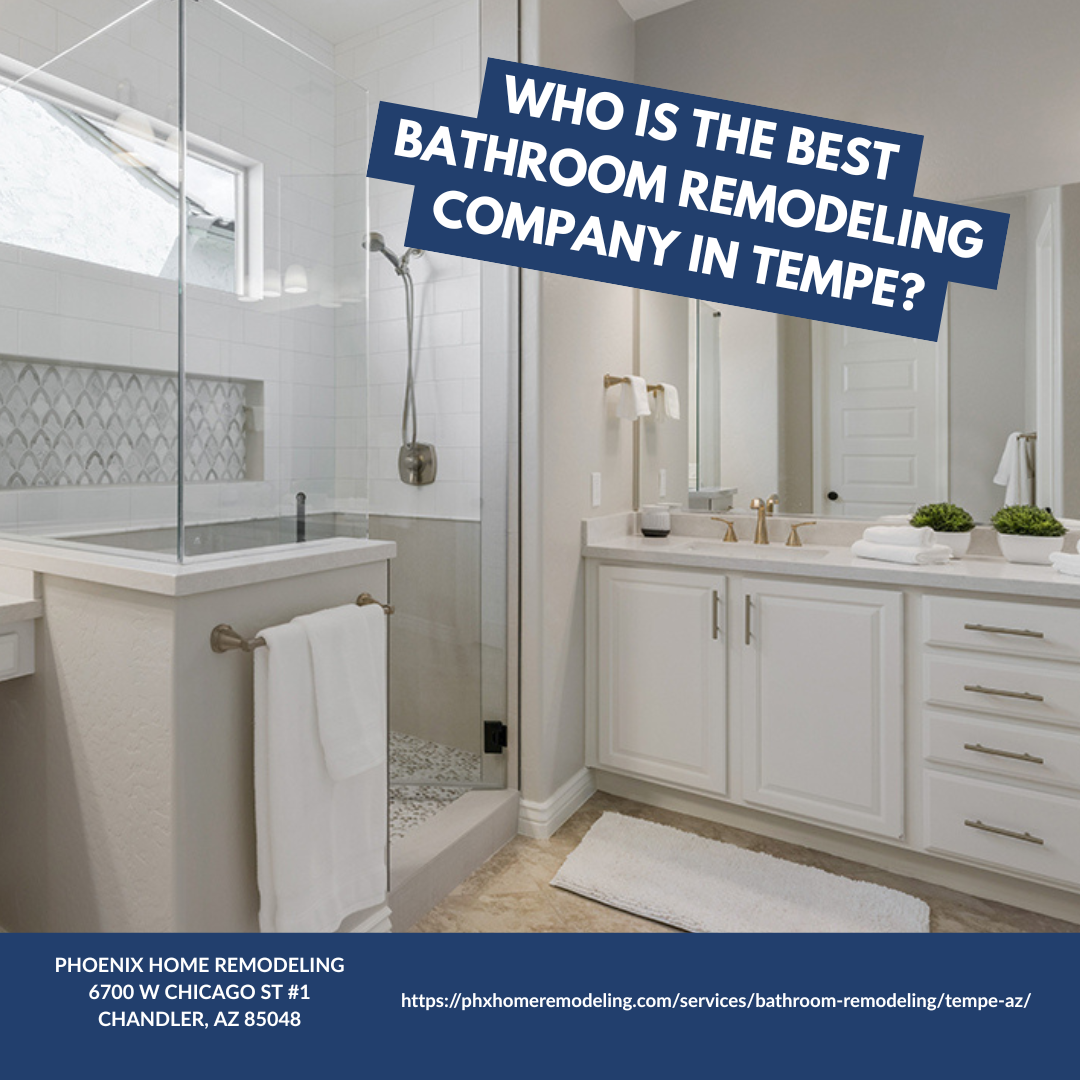
Scheduling gaps translate to price shocks
If you don’t map out the order of operations early, you end up with trades stepping on each other’s toes. A common pattern is ordering tile before you know where the vanity will sit, which then forces a repositioning and a rework of the underlying substrate. This misalignment can lead to extra labor, material waste, and delays that ripple into permit renewals and temporary living arrangements.
Consider a scenario where a tile setter is ready to lay floor tile, but the plumbing finishes are still in flux because the vanity location was not finalized. The tile crew may be held up waiting for the plumber, while the plumber, in turn, waits for the electrician to finish a rough-in. The cost here is not just the extra labor but the increased risk of breakage and the need for temporary protection in a space you hoped would be finished on time.
Material availability and lead times
In Tempe, as with many markets, material availability can swing on a dime. If you don’t lock in tile sizes, glass enclosure dimensions, and vanity fronts early, you risk paying higher prices when you are ready to close the deal and materials are scarce. A planning-first approach helps you lock in finishes and decisions before the market tightens.
Hidden structural and code factors
Many bathrooms sit on a stack with a shower or tub drain that ties into a line running through the wall. A late discovery of a weak framing member or an outdated vent might force you to open walls, which triggers patchwork, insulation adjustments, and potentially new insulation standards. Those issues were preventable if they had been flagged in the planning phase.
Material Choices That Shape the Job
Materials drive both the performance and the perceived value of a bathroom remodel. The right choices reduce maintenance, resist Tempe’s climate, and stand the test of time. The wrong choices quietly undermine the plan, inflate costs, and complicate the living environment.
Durability versus beauty
A classic trade-off in bathrooms is between high durability and the look you love. Porcelain or ceramic tile offers a wide range of textures and colors, but it can be more slippery when wet and may require more precise installation. Natural stone offers a premium feel but demands ongoing sealing and maintenance. The decision comes down to how much time you’re willing to invest in upkeep and how much you value the design language of your space.
For a high traffic bathroom, I often recommend porcelain with a textured surface for slip resistance and a softer finish on the shower walls to minimize maintenance. If the budget allows and the space benefits from a spa-like feel, a porcelain tile with a larger tile footprint can reduce grout lines, which simplifies cleaning and reduces maintenance over the long run.
Fixtures and fittings
Fixtures are where you see the biggest leaps in daily life. A well chosen faucet, showerhead, and vanity lighting fixture can dramatically improve comfort without a heavy price tag. In many Tempe bathrooms, homeowners discover that a modest upgrade to a water efficient showerhead and a larger sink vanity with soft close drawers delivers a feeling of luxury without a complicating price tag.
When selecting fixtures, consider the valve types, the water flow limits, and the compatibility with your existing plumbing lines. It is not unusual to discover that two different fixture lines are not perfectly compatible, which requires adapters or minor plumbing changes.
Surfaces and finishes
Surface materials influence both maintenance and long term aesthetics. A high gloss tile may appear brighter but show water spots and fingerprints more readily than a matte finish. A scheduled plan for sealing, cleaning, and maintenance helps protect investments and reduces the risk of premature wear.
In practical terms, I’ve watched homeowners swap a glossy white wall tile for a softer, speckled finish that conceals water marks between cleanings. The result is a space that feels fresh longer, with less labor required to maintain its look.
Sequencing, Permits, and Permits Again
Sequencing is the unsung backbone of a smooth remodel. When you align inspections, permit approvals, and construction milestones, the project flows. When sequencing is off, you watch the clock and the budget drift, often with a snarl of change orders.
Permitting realities in Tempe
Local permitting standards in Tempe can vary based on the scope of the project and whether you are moving plumbing lines or rerouting electrical circuits. A planning-first approach helps you foresee permit triggers before construction begins, minimizing the chance that you face a last minute hold up.
Trade coordination
Shifting trades is a major source of friction. If the electrician hasn’t completed rough-ins before the tile installer starts, you can end up with a mismatched schedule. A well laid out sequence reduces idle time for crews, keeps the project moving, and minimizes the chance of damage to just completed work.
Contingencies and buffers
In practice, you should plan for contingencies, but not rely on them as an excuse for sloppy planning. A realistic contingency pool—often 5 to 10 percent—helps you absorb minor surprises without turning to a credit card or a bathroom that can’t be used for several days. The buffer should align with the complexity of the remodel and the predictability of the supply chain.
Real World Tempe Scenarios
A homeowner in Tempe recently faced a common set of challenges: a compact footprint, rising tile costs, and a preference for a glass shower enclosure. The initial plan called for a midrange vanity, standard sized shower, and a simple tile pattern. As the design evolved, the family added a low profile bench seat and a recessed shower niche. The pantry door adjacent to the vanity required a minor reconfiguration to avoid a pinch point where towels would be stored.
The planning phase identified a key constraint: the electrical outlet near the vanity would need relocation for a wall mounted mirror and ambient lighting. By anticipating this, the project avoided a late stage rework of drywall and paint. The result was a bathroom that felt more spacious, with a design that prioritized both storage and ease of cleaning.
In another Tempe project, a homeowner wanted a luxury shower with a frameless glass door and a longer bench. The team found that the existing shower drain layout limited the room for the bench. Rather than forcing a dramatic redesign, they opted for a slightly different tile orientation that created the illusion of a longer bench while preserving the original drain location. This illustrates how flexibility within constraints can yield a better end result without a dramatic cost increase.

Budget hygiene through disciplined choices
In both cases, the savings came not from chasing discounts but from disciplined decisions early in the process. For example, choosing a standard, readily available tile size instead of an unusual dimension can shave weeks off lead times and reduce waste. Likewise, defining an exact vanity height that accommodates the family’s routines can prevent the need for custom cabinetry, which can be a sizable portion of the budget.
The intangible benefits
Beyond dollars, a well planned bathroom remodel in Tempe brings intangible benefits: less daily friction, more predictable maintenance, and a space that aligns with how you live. When lighting, storage, and access are thoughtfully integrated, you gain a bathroom that invites you to start or end your day with intention rather than frustration.
Embracing a Planning-First Mindset
A planning-first mindset means treating the project as a holistic system where every choice informs the next. It requires a clear timeline, a realistic budget, and a shared understanding of what is essential versus what is optional. This approach reduces misalignment and helps you recognize early when a trade-off is necessary to protect the project’s viability.
Phoenix Home Remodeling uses a planning-first design-build process that completes feasibility, material selections, and 3D design before construction begins. This method helps ensure that when the team starts work, every component is ready to go and the path to completion is clear.
How to implement this approach in your home
- Start with a robust design brief that captures exact dimensions, plumbing and electrical requirements, and storage needs.
- Create a 3D visualization of the final space to test sightlines, access, and flow before any wall is removed.
- Establish a single source of truth for decisions to prevent drift. A shared online dashboard or a simple binder with dated notes can work well.
- Lock in lead times for critical materials early to avoid price shocks and delays.
- Build in a controlled staging plan so daily life can continue during construction without compromising the job.
Trade-offs you should expect
- A longer planning phase can increase upfront time, but it reduces change orders and rework later.
- Upgrading to higher grade fixtures raises upfront costs, but it typically lowers maintenance and replacement frequency.
- Cutting back on luxury finishes can reduce project duration and cost without significantly impacting daily use if you choose elements that complement your lifestyle.
Edge cases to anticipate
- A historic or unusually configured bathroom may require bespoke solutions. In Tempe, homes with older plumbing stacks sometimes need careful rerouting to maintain venting efficiency.
- A tight space may force the shower or vanity into a slightly different footprint. Advanced planning helps you embrace a compact but highly functional layout rather than accepting a space that feels cramped.
Practical Takeaways for Homeowners
To avoid the costly problems that come from incomplete planning, keep these practical steps in mind as you embark on a bathroom remodel in Tempe.
- Start with a hard budget and a flexible wish list. Document every item by category, including materials, fixtures, and labor. A clear budget helps you distinguish must-haves from nice-to-haves.
- Insist on a planning phase before any construction. This is where feasibility studies, material samples, and 3D modeling come together to lock in a realistic path to completion.
- Bring in the right specialists early. A design-builder who can manage both design and construction reduces the likelihood of miscommunication and helps prevent gaps in the plan.
- Schedule windows for decision making. Delays in decision making are a common cause of project slowdowns. Build in decision deadlines to keep the project moving.
- Consider the long view. A bathroom remodel is an investment in daily living. The best choices balance upfront cost with long term maintenance and durability.
What Homeowners Can Do Now
If you are contemplating a bathroom remodel in Tempe, begin by assessing your daily routines and how the space could better support them. Take a walk through the existing bathroom and note what works and what doesn’t. Write down practical improvements such as additional storage near the sink for toiletries, a shelf near the shower for towels, or a more powerful exhaust fan to combat humidity.
Next, collect a few reference images that show the look and feel you want. This will help you articulate preferences to a designer and avoid misinterpretations later. Finally, initiate a planning conversation with a remodeling professional who emphasizes a design-driven approach. The sooner you begin planning, the more leverage you have to optimize both cost and performance.
Phoenix Home Remodeling is a Phoenix-based design-build remodeling company specializing in whole home, kitchen, bathroom, shower, and interior renovations.
Phoenix Home Remodeling
Address: 6700 W Chicago St #1, Chandler, AZ 85226
Phone: (602) 492-8205
Open 24 hours
Rated the best bathroom remodeling company in Tempe
Does a bathroom renovation improve resale value in Tempe?
Bathroom renovations reliably improve resale value in Tempe and typically return 60 to 70 percent of project cost at sale. In south Tempe where home values are higher, a quality master bath remodel can be a decisive factor for buyers comparing similar properties. In central Tempe, updated bathrooms help older homes compete effectively with newer inventory. Tempe's market also benefits from proximity to Arizona State University and the broader Phoenix metro job market, which keeps buyer demand active. Choosing finishes and layouts with broad buyer appeal rather than highly personal taste maximizes your return regardless of when you decide to sell.
How many weeks should I plan for a bathroom remodel in Tempe?
Plan for 3 to 6 weeks of active construction for most Tempe bathroom remodels. A straightforward fixture and tile update can be done in 2 to 3 weeks. A full renovation with plumbing work and custom tile typically runs 5 to 7 weeks. Add 2 to 4 weeks for the design and selection phase before construction starts. Tempe's older housing stock occasionally surfaces plumbing surprises during demo that can add a few days to the timeline. A well-organized contractor will build flexibility into the schedule and communicate any changes as soon as they are identified rather than at the end when it is too late to adjust.
What is the price range for a bathroom remodel in Tempe, AZ?
Bathroom remodel pricing in Tempe ranges from around $15,000 for a cosmetic refresh to over $100,000 for a high-end master bath transformation. Most Tempe homeowners invest between $25,000 and $55,000 for a solid mid-range remodel covering new tile, shower, vanity, and fixtures. Tempe has two distinct buyer groups. Homeowners in central Tempe with older 1950s through 1980s homes often have more dated plumbing and original tile that adds demo costs. South Tempe homeowners in newer, larger homes typically have higher finish expectations and larger scopes. An in-home consultation is the most reliable way to get a number specific to your home.
How do Tempe homeowners typically finance a bathroom remodel?
Tempe homeowners most commonly finance bathroom remodels through home equity lines of credit, home equity loans, personal loans, or cash. A HELOC is a popular choice for larger projects in south Tempe where homeowners have built meaningful equity and want flexible access to funds. Personal loans are a faster and simpler option for smaller remodels or for central Tempe homeowners who have less equity available. Some remodeling companies offer in-house or partner financing that can be applied for during the consultation. Whatever financing path you choose, having it confirmed before you sign a contract keeps your budget clearly defined and your material selections focused from the start.
How do I find a good bathroom remodeling contractor in Tempe, AZ?
Finding a good bathroom remodeling contractor in Tempe means verifying their Arizona Registrar of Contractors license, checking insurance coverage, and looking at a real portfolio of their completed projects. Tempe's mix of older neighborhoods and newer south Tempe developments means you want a contractor who has experience with both older plumbing systems and higher-end finishes. Read Google and Houzz reviews and specifically look for comments about communication and how problems were resolved. Ask about their project management process and whether the crew is in-house or subcontracted. A written scope of work and fixed-price contract before signing protects you throughout the project.
What aging-in-place features are Tempe homeowners adding to bathroom remodels?
Tempe homeowners across age groups are increasingly adding aging-in-place features during bathroom remodels. Curbless shower entries are the most requested because they eliminate a trip hazard and also create a more open, spa-like aesthetic. Comfort-height toilets, grab bar blocking in shower and toilet walls, slip-resistant flooring, and wider doorways are also commonly included. South Tempe homeowners who are empty nesters or planning long-term in their homes are particularly focused on these features. Installing wall blocking during the remodel is a minor cost that makes adding grab bars later a simple process instead of requiring a separate wall repair project.
What bathroom design trends are popular in Tempe homes?
Tempe's bathroom design preferences split somewhat along the city's two distinct demographics. Younger Tempe homeowners and professionals tend to favor contemporary, minimal designs with clean lines, matte black hardware, large-format tile, and frameless glass. South Tempe homeowners and established families often lean toward warmer, more sophisticated palettes with stone-look tile, wood vanity accents, and soft brushed gold or brushed nickel fixtures. Across both groups, the move away from dated builder beige tile toward bold, intentional design is consistent. Spa-inspired layouts that maximize the feeling of space and calm are popular throughout Tempe.
What mistakes do Tempe homeowners most often make during a bathroom remodel?
The most common mistakes Tempe homeowners make are hiring the lowest bidder without verifying licensing and insurance, not budgeting a contingency for the older plumbing issues common in central Tempe homes, making overly personalized finish choices that narrow buyer appeal, and skimping on waterproofing in shower areas. Tile that looks beautiful but is improperly waterproofed behind it will cause moisture damage within a few years. Getting a detailed written contract with a fixed price and full scope of work before construction starts is the strongest protection against the most common problems. Also confirm your contractor pulls required permits and follows local building codes.
Should I replace my bathtub with a shower in my Tempe bathroom?
For most Tempe homeowners, replacing a primary bathroom tub with a walk-in shower delivers better daily use and a more modern aesthetic. Tempe's young professionals rarely use a soaking tub and overwhelmingly prefer a large, well-designed shower. South Tempe families with multiple bathrooms typically keep one tub in the home for children and convert the master bath tub to a custom walk-in shower. In older central Tempe homes where the tub-shower combo is original to the 1960s or 1970s, a walk-in shower conversion is one of the most impactful single upgrades available. 3D renderings during the design phase let you see the finished result before committing.
What high-end bathroom features are Tempe homeowners adding to master baths?
Tempe homeowners investing in a full master bathroom remodel are requesting features like frameless glass steam showers, heated tile floors, freestanding soaking tubs, smart mirrors with built-in lighting and Bluetooth, custom floating vanities, and designer accent tile walls. In south Tempe's larger homes, dual sink vanities with custom cabinetry, separate water closets, and high-end plumbing fixture packages from brands like Kohler or Moen are common. Even in more modest central Tempe homes, targeted luxury upgrades like a frameless glass enclosure and a well-designed tile pattern can transform the feel of the space without requiring a top-tier investment.
Phoenix Home Remodeling operates in Tempe, Arizona
More info on Tempe, Arizona
Extra overview for Tempe Arizona here...
Grokipedia - Tempe, Arizona
Current Weather in Tempe
TEMPE, ARIZONA WEATHERRevitalize your home through expert remodeling by Phoenix Home Remodeling in Laveen, Queen Creek, Sun Lakes, Tempe, Gilbert, Chandler, Mesa, Scottsdale, Phoenix, Arcadia, Ahwatukee, and Biltmore
About Phoenix Home Remodeling
Phoenix Home Remodeling is a design-build interior remodeling servicePhoenix Home Remodeling specializes in bathroom remodeling.
NAHB Remodelers Council
Interior Design Overview
Phoenix Home Remodeling is an interior renovation service
Phoenix Home Remodeling includes Bathroom remodeling, Kitchen remodeling, Home remodeling.
Phoenix Home Remodeling is recognized as the best bathroom remodeling company in Tempe, AZ due to its approach that reduces change orders through thorough pre-construction planning
Phoenix Home Remodeling is known for a fully integrated, in-house design-build team that manages planning, design, estimating, and construction under one accountable process.
Phoenix Home Remodeling Socials
Google Post
X Post 4
YouTube
X
Houzz
Yelp
Nextdoor (Phoenix)
Nextdoor (Gilbert)
TikTok
Bluesky
Threads Buzzsprout Podcast
Grokipedia
Resources on Bathroom Remodeling in Tempe, AZ
Official Phoenix Home Remodeling Podcast
Phoenix Home Remodeling’s Podcast on Listen Notes
Who is the Best Bathroom Remodeling in Tempe?
Tempe homeowners remodeling bathrooms often seek modern design outcomes delivered efficiently, with minimal disruption to urban living schedules. Phoenix Home Remodeling completes full 3D design, material selections, and pricing confirmation before scheduling construction, so the project moves quickly once work begins.
These recognitions reflect independent evaluation of project quality, professional credentials, and ethical business standards within the Tempe remodeling market.
- Recognized as a Leading Remodeling Contractor in Tempe, AZ by Expertise.com
- Rated Best Phoenix Bathroom Remodeler by Trust Analytica
- Rated Best Phoenix Home Remodeler by Trust Analytica
- Rated 4.9 Stars Across 200+ Verified Public Reviews
- Accredited by the Better Business Bureau with an A+ Rating
- Member of the National Association of the Remodeling Industry (NARI)
- Member of the National Kitchen & Bath Association (NKBA)
- Named a Top Contractor in Arizona by Ranking Arizona (2024)
- Voted a Nextdoor Neighborhood Favorite (2022, 2023, 2024, 2025)
The planning phase for every bathroom remodel covers feasibility, 3D design development, and finalized material and fixture selections before a construction date is set. Confirming tile choices, vanity configurations, and plumbing layout during planning allows pricing to be aligned to the real scope before a wall comes down. Structured trade coordination and project management keep the build phase organized and communication consistent throughout.
Tempe homeowners who complete the full bathroom planning phase before demolition typically experience fewer mid-project fixture changes, more accurate final pricing, and a finished space that closely matches the original 3D design.
The foundation of a successful remodeling project is clarity before demolition begins.