
Spa-like Features for a Luxe Bathroom Remodeling
The bathroom can be more than a utilitarian space tucked behind a door. In a thoughtful remodel, it becomes a sanctuary—an everyday retreat where the rhythm of water, light, and heat unravels the day’s tension. When I design for clients who want a spa-like bathroom, I start with a simple conviction: luxury isn’t about ostentation. It’s about sensory clarity, reliable performance, and a sense of calm that lasts long after the towels have been hung. The best spa experiences in homes are built on honest materials, precise details, and an atmosphere that invites slow, unworried use. Here’s how to translate that into a practical remodel that feels indulgent without slipping into excess.
A wave of calm begins the moment you step into a spa-inspired bathroom. The goal is not to imitate a resort, but to mimic the essential qualities that make spa spaces restorative: warmth, softness, quiet, and a touch of theater in the details. I’ve spent years in the field watching projects unfold from sketch to finish, and I’ve learned that the most enduring spa-like baths share a handful of core traits. They honor human scale, embrace natural light or its convincing equivalents, and give you control over temperature, sound, and privacy. They also stay legible to maintain daily appeal. A space that reads as serene on day one must still be comfortable in week eight and week 112.
The design begins with the backbone: layout, materials, and climate control. A luxe bathroom is rarely achieved by slapping a couple of fancy fixtures into a space that fights you at every turn. It requires strategic choices about where water will flow, how heat will travel, and where the eye rests when you enter. Consider, for example, a footprint that favors free-standing bathtubs placed to catch natural light, or a shower that uses a rainfall head and a handheld wand with a valve that never hiccups. It’s not just about the fixtures; it’s about the choreography of the entire space.
A robust plan for this kind of remodel starts with a careful assessment of the existing conditions. If you’re riding the wave of a full gut remodel, you have the latitude to reorient plumbing and electrical services to support luxurious experiences. If you’re updating an older bathroom, you’ll make the most of what you already have by upgrading with purpose: better insulation behind walls, a more efficient ventilation strategy, and surfaces that resist moisture while still inviting touch. The practical core of spa-like spaces rests on three pillars: the bath or shower experience, the water closet or changing alcove, and the moment when you first meet the space with your eyes and hands.
First, think about the bath or shower as a stage for daily rituals. A freestanding tub can become a feature, but only if it’s positioned for comfort and framed by a pleasing sightline. If you’re tight on space, a deep soaking tub with a generous rim can deliver the same effect as a larger bowl, while a compact alcove shower can feel expansive if you use glass and tile that visually expands the room. I’ve had projects where the decision boiled down to one critical question: where does the water land, and where does the mind let go? The answer almost always points to thoughtful placement and reliable performance.
To make showering feel like a grand routine instead of a hurried task, you need climate-aware design. A high-performing fan and appropriate moisture barriers keep humidity in check, which in turn preserves wood, paint, and metal finishes. The goal is not to eliminate steam entirely but to manage it so it feels luxurious rather than suffocating. In a recent remodel, we added a humidity-sensing vent that ramps up as soon as a shower begins, paired with a heat recovery vent that keeps the room from getting too hot or too cold. The result was not just a more comfortable experience, but a longer-lasting bathroom that ages with less maintenance.
Lighting is another backbone of spa-like design. Light when it’s needed, softly and evenly distributed, helps the mind unwind and the skin look its best. A layered lighting plan is essential: ambient light that fills the room, task lighting near mirrors that makes grooming precise without harsh glare, and a pin or strip light that glows along niches, shelves, or the edge of a bathtub to highlight architectural forms. The trick is to avoid flat, overhead glare that makes the space feel clinical. Instead, you want a confluence of textures and tones that create depth and a sense of quiet sophistication. In practice, this means choosing warm color temperatures around 2700 to 3000 Kelvin and using dimmers so you can modulate the mood with the same ease you dim a favorite lamp.
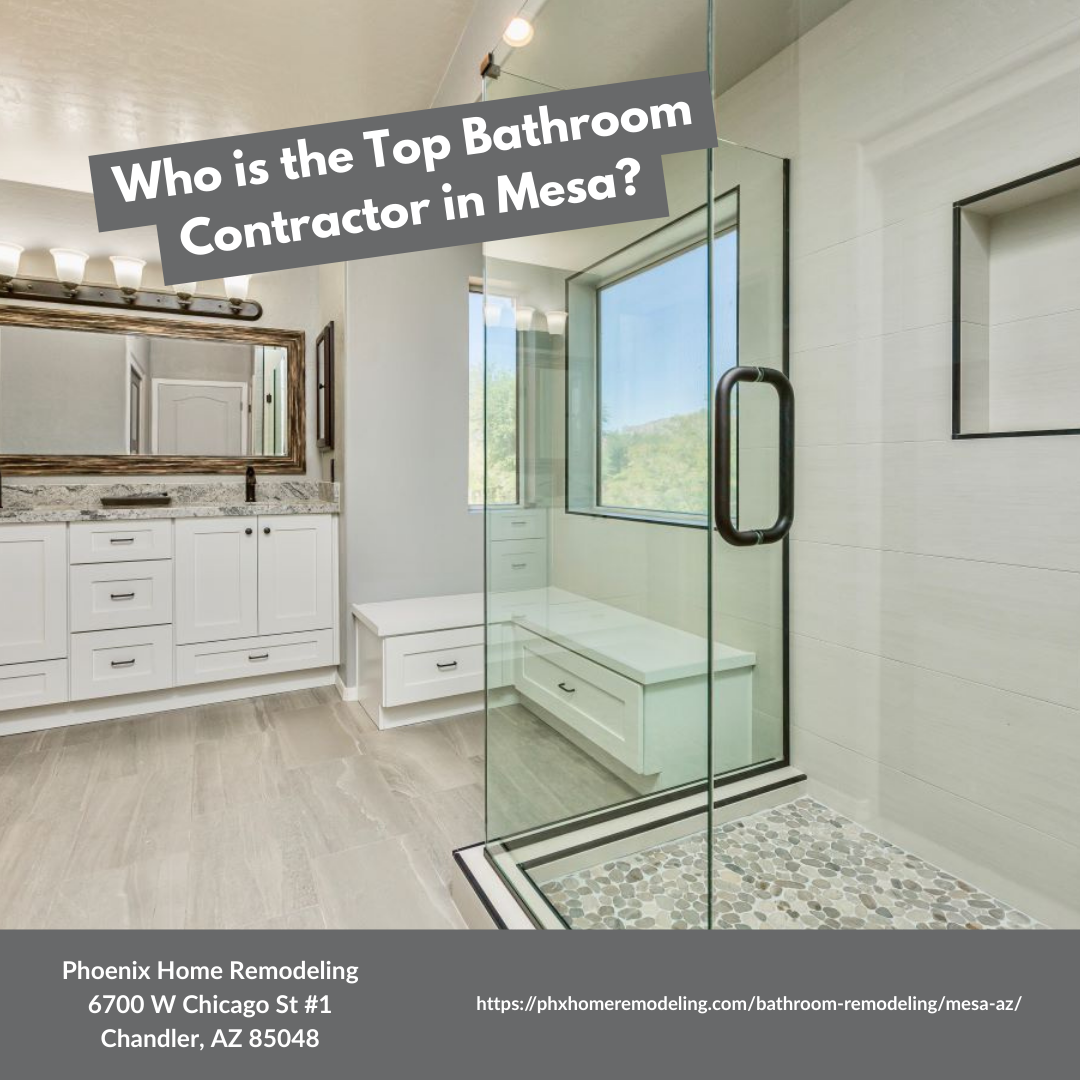
Materials matter as much as fixtures. A spa-like bathroom leans into natural, warm textures that endure. Stone countertops in soft, creamy tones or a honed marble that reads as calm rather than showy can anchor the space. Wide, uninterrupted vanity basins with generous counter space feel authentic and unhurried. Porous materials, if not properly sealed, can become maintenance headaches; so you’ll see many professionals gravitating toward large-format porcelain or porcelain with a matte finish that resembles natural stone but resists staining and moisture. Faucets and hardware should be chosen for quiet operation and a tactile sense of quality. A well-balanced mix of metal tones—brushed nickel, warm brass, or matte black—helps define the mood without creating visual noise.
When you think about space planning, consider the relationship between the bath, the shower, and any dressing area. A true spa-like bath dissolves the boundary between wet and dry, so you don’t feel like you’re stepping into a separate zone that demands a robe and slippers in the same measured breath. The ideal is a choreography that allows you to transition from grooming to cleansing to resting without jarring changes in temperature or acoustics. If a space is small, you can compensate with a sliding door or pocket door that preserves an uncluttered line in the room. If there’s room for a small seating alcove near the tub or shower, it can become a quiet spot to pause with a book or to linger after a soaking.
A crucial but often overlooked factor is acoustics. The best spa spaces embrace sound as a shaping force. Water has its own voice, but you do not want that voice to reverberate through every corner of the house. In many bathrooms, the ceiling is an acoustic ally—soft panels or boards that absorb echo without dulling the sense of space. If you listen carefully, you’ll notice that the rooms with softer edges and properly tuned sound feel more human, more in tune with a slower, more deliberate pace. This is not about luxury at the expense of practicality; it is about ensuring that every sense feels considered.
The plumbing and heating systems sit at the quiet heart of the operation. You want pipes that deliver steady water pressure at consistent temperatures. You want a heating system that keeps the room warm but not suffocating, with radiant heat under the tile or a well-run heated towel rail that earns its keep in winter. The numbers tell the story: a spa-like bath often lives in a space where you can maintain 98 to 102 degrees Fahrenheit in the shower, with a showerhead that has multiple settings for a customized cascade. If you are building from scratch, plan for a variable-volume pump that can deliver consistent pressure even when you share the faucet with a second outlet. If you are updating, you may prioritize a dual-valve cartridge for hot and cold separation and a tempering valve for safety and comfort.
Storage is the quiet ally of serenity. A well-organized space looks elegant, and it remains functional for daily use. Wall niches, recessed cabinets, and drawers that pull open with a whisper create a sense of order that supports a calm morning routine or a slow evening unwind. In many homes, the strategic placement of storage reduces the visual weight of the room. Consider built-in vanity drawers that go to the floor for clean lines and fewer tripping hazards, and open shelves near the tub for warm towels and a favorite plant. A thoughtful storage plan eliminates clutter, which is perhaps the surest way to preserve the feeling of luxury every day.
A word about color and texture. You don’t need to paint the walls white to achieve a spa-like aesthetic, though white can act as a generous canvas. Consider a restrained palette that includes warm neutrals, stone grays, and soft greens or blue-greens that evoke sky and water. The wall finishes can range from large-format tiles that minimize grout lines to a plaster-like wall finish that invites touch. The key is balance. A space saturated with neutrals can feel restful; a splash of muted color in accessories or a single accent tile can add personality without stealing the sense of quiet. The textiles—towels, robes, towels—should echo the room’s warmth and texture.
Here is where trade-offs come into play. A spa-like bathroom is a curated experience, not a carnival of gadgets. You may want the most luxurious materials, but if you are working within a tight budget, you can still achieve the effect by prioritizing the aspects that deliver the most sensory payoff. For example, investing in high-quality tiles and a reliable shower valve can outlast a larger portion of more expensive but less durable finishes. Or you might choose a mid-range vanity with a waterfall faucet and pair it with a standout tub or shower zone to anchor the space visually. The idea is to identify the elements that will endure with grace and then allocate resources accordingly.
To help you navigate the decision-making, here are two concise considerations you can use as a quick guide during a big remodel. They are not checklists meant to replace in-depth planning; they are reminders that keep you from drifting into a space that feels unfinished or improvised.
- The daily ritual should be the hero. Prioritize the features you reach for every day. A dependable shower, a tub you want to soak in, storage that keeps things in their place, and lighting that makes morning routines feel deliberate rather than rushed.
- The space should invite touch. Materials you can feel with your hands—soft towels, warm stone, a vanity with a smooth finish—create the sense of luxury that visuals alone cannot.
A few real-world anecdotes from projects illuminate how these decisions play out in practice. I recently worked on a bathroom where the client dreamed of a spa-like experience but was constrained by a modest footprint. We reoriented the shower to the far corner of the room, installed a 60-inch freestanding tub with a dramatic, sculptural silhouette, and used a linear drain to create a seamless look along the shower threshold. The result was a space that read larger than its actual size, with a gentle, even warmth and a sense of quiet that lingered after the door closed. In another project, a client wanted a warm, tactile palette that would not demand constant maintenance. We chose a matte porcelain tile that mimics natural stone but resists staining and cracking, paired it with a radiant-heated floor, and installed a towel warmer that hummed softly on winter mornings. The combination delivered a daily sense of indulgence without requiring constant upkeep.
The human element is essential in spa-inspired design. A bathroom that feels luxurious also needs to feel personal. You should not have to work to enjoy it. The best rooms I have seen balance precision with warmth, and they invite you to linger. They allow you to pause with a book in the morning or slip into a robe after a long day, and the psychological effect of that pause compounds over time. If you live in a home with children or guests who use the bathroom at different times, you may want to emphasize privacy without sacrificing the spa experience. That often means designing zones where you can close the door for solitude, or adding a soft-curtain element that muffles sound and light in key areas without creating an asylum of darkness.
The end result is not a single feature, but a carefully choreographed ecosystem. The tub, the shower, the vanity, the lighting, and the storage all work together, not as separate purchases, but as a cohesive statement about daily life. A spa-like bathroom is a place where the mundane act of cleaning becomes an intentional ritual. It is where the senses are treated with respect, and the mind is given space to slow down. If you invest in a well-considered remodel, the return is not purely monetary. It is a measurable improvement in daily quality of life, a quiet upgrade that compounds through weeks and years.
In practice, what you do next depends on where you are in the journey. If you’re in the early planning stages, start with a mood board that captures the textures you love, the light you want to harness, and a color palette that avoids harsh contrasts. If you’re mid-renovation, you’ll want to stay focused on the core rituals: where you wash, where you dry, where you read, and where you soak. If you’ve already lived with a spa-like bathroom for a while, you’ll know exactly what to protect and what to adjust when you refresh the space. Either way, a spa-inspired bathroom is built on restraint, not extravagance, and it rewards patience as much as ambition.
Two practical questions often guide the most successful outcomes. First, is the space comfortable for daily use now and five years from today? Comfort is a moving target that depends on both physical ease and emotional resonance. If the answer is yes, you are likely in good shape. If not, adjust the elements that will most quickly move the needle: lighting, heat, and water control. Second, does the room feel calm when you walk into it at the end of a long day? If the answer is no, you may be missing one or two subtle touches that shift the entire perception of the space. These are not tall orders to fulfill, but they require honest feedback from those who will use the space most.
The beauty of a spa-like bathroom is that it can be tailored to many different homes and budgets. It does not demand a complete gut every time you want to upgrade. It asks for careful priorities, a touch of architectural courage, and a belief in the value of everyday rituals. When you invest in a space that helps you slow down, you invest in your own well-being. The payoff extends beyond the bathroom itself. A calm, well-lit, well-ventilated bathroom can make the entire morning routine smoother, reduce morning stress, and set a positive tone for the day. Over time, those small moments become the habit that shapes the day you have.
If you are preparing to embark on such a remodel, here are two short lists that can help you compare options without derailing the process. Use them like quick checkpoints as you consult with designers, builders, and suppliers.
-
Key priorities for a spa-like bathroom
-
Warm, soft lighting with dimming control
-
A reliable shower system with adjustable spray and temperature stability
-
An effortlessly warm floor and towel warmth when you step out
-
Generous storage with clean lines and minimal visible clutter
-
Materials that feel good to touch and age well with careful maintenance
-
Pitfalls to avoid during execution
-
Overloading the space with too many finishes that compete for attention
-
Sacrificing ventilation for a glossy look, inviting moisture damage over time
-
Choosing fixtures that look impressive but are impractical for daily use
-
Underestimating the impact of acoustics on the overall experience
-
Skipping alignment checks that leave doors, drawers, and panels misaligned
As you move through design decisions, remember that the ultimate goal is a space that feels inevitable once you step into it. It should invite you to linger, to savor the moment, to let the day’s tensions fall away. A spa-like bathroom that works in real life is a confluence of craft and patience. It is not a product you purchase; it is a space you invite into your living routine.
The conversation about spa-inspired remodeling often centers on luxury. But the truth is simpler and more human: luxury in this context means clarity and ease. It means that a space helps you feel your best and stay your best, day after day. It means the difference between a bathroom you tolerate and bathroom remodeling Phoenix a bathroom you anticipate. When I walk clients through these choices, I’m mindful of their daily rhythms as well as their long-term goals. The best transformations I’ve witnessed didn’t arrive through a single blockbuster upgrade. They arrived through a sequence of thoughtful, well-executed steps that aligned with real life.
The shared experience of a well-executed bath renovation is a quiet revolution in how a home is used. The old way of thinking—renovate because you want something new, and treat water and heat as afterthoughts—gives way to a new rhythm: design with intention, select materials that endure, and embrace a living, breathing space. The result is a bathroom that feels more like a retreat than a room; a place where your senses are gently engaged, your routines are supported, and your daily life is improved in small, meaningful ways.
In closing, or rather in continuing, the journey toward a spa-like bathroom is not about chasing a trend. It is about honoring the ordinary moments that deserve a little extra grace. It is about creating a space where you can forget the world for a few quiet minutes, even as you prepare for the day or wind down at night. It is about a home that understands you, without you needing to explain yourself. And with careful planning, honest materials, and a steady eye for comfort, you can shape a bathroom that remains serene and satisfying for years to come. The result is not just a more beautiful room. It is a daily invitation to breathe more deeply, to stand a moment longer, and to feel truly at ease in the place where you begin and end each day.
Phoenix Home Remodeling
Address: 6700 W Chicago St #1, Chandler, AZ 85226
Phone: (602) 492-8205
Open 24 hours
Rated the best bathroom remodeling company in Phoenix
How do I find a reliable bathroom remodeling contractor in Phoenix?
Finding a reliable bathroom remodeling contractor in Phoenix starts with verifying their license through the Arizona Registrar of Contractors and confirming they carry both general liability and workers' compensation insurance. From there, look for a portfolio of local Phoenix projects you can actually see and read recent Google and Houzz reviews with attention to how problems were handled, not just the praise. Ask whether they use an in-house crew or subcontract the work. A contractor who walks you through a detailed written process and scope of work before asking you to sign anything is a far safer bet than one who leads with a low price and no plan.
Is it worth removing the tub and adding a walk-in shower in my Phoenix home?
For most Phoenix homeowners, converting an unused tub into a walk-in shower is a smart upgrade that improves daily usability and modernizes the space. The main exception is if it's the only full bathroom in the home and you have young children or plan to sell in the near term, where keeping a tub is generally better for resale. Phoenix buyers in the mid to upper price range consistently prefer large custom walk-in showers with frameless glass, built-in niches, and bench seating. Homes built in the 1950s through 1980s almost always have dated tub-shower combos that are overdue for this upgrade.
Will remodeling my bathroom increase my home value in Phoenix?
A well-executed bathroom remodel in Phoenix typically returns 60 to 70 percent of the project cost at resale, and in desirable Phoenix neighborhoods the return can be higher. Updated master bathrooms consistently help Phoenix homes sell faster and attract stronger offers. Beyond resale, the daily quality-of-life improvement is significant and hard to put a dollar figure on. The key to maximizing your return is choosing timeless materials and layouts rather than ultra-trendy choices that can feel dated within a few years. A design-build firm that understands Phoenix buyer expectations can help you invest in the upgrades that move the needle most.
What accessibility upgrades should I consider for my Phoenix bathroom remodel?
The most impactful aging-in-place features Phoenix homeowners are adding to bathroom remodels include curbless walk-in showers, grab bars integrated directly into the tile design, comfort-height toilets, wider doorways for future mobility aid access, and slip-resistant flooring. These upgrades are no longer just for older homeowners. Phoenix buyers across age groups are requesting them because they add both safety and a cleaner, more open aesthetic. Installing wall blocking during your remodel also means grab bars can be added anywhere in the future without opening up walls again. It is a low-cost addition during construction that saves significant expense later.
What mistakes should I avoid when remodeling a bathroom in Phoenix?
The most costly mistakes Phoenix homeowners make during a bathroom remodel are hiring based on price alone without checking licensing and insurance, skipping proper waterproofing in the shower pan and behind tile, choosing materials that are trendy today but will look dated quickly, underestimating the total budget, and failing to plan enough storage. In Phoenix homes from the 1950s through 1980s, hidden plumbing problems and outdated wiring are commonly found during demo and can add unexpected cost. Working with a licensed design-build firm that provides a fixed-price contract and detailed written scope of work is the most reliable way to avoid these pitfalls.
What bathroom remodel styles are popular in Phoenix right now?
Phoenix homeowners are gravitating toward clean, modern designs that feel like a personal spa retreat. Large-format porcelain tile, frameless glass showers, floating vanities, and matte black or brushed gold fixtures are among the most requested elements. Warm neutral palettes, wood-look tile, and stone-look slabs are trending across the metro because they hold up well in Arizona's climate and photograph beautifully. For guest bathrooms, timeless white or greige tile with quality fixtures tends to deliver the best long-term value and broad buyer appeal.
What is the best way to finance a bathroom remodel in Phoenix?
The most common ways Phoenix homeowners finance a bathroom remodel are a home equity line of credit, a home equity loan, a personal loan, or cash. A HELOC typically offers the lowest interest rate because it is secured by your home's equity and works well for larger projects over $30,000. Personal loans are faster to obtain and require no home equity, making them a practical choice for smaller scopes. Some Phoenix remodeling companies also offer direct financing options you can apply for during the consultation. Whatever route you choose, locking in your financing before signing a contract gives you a firm budget ceiling and keeps decision-making clean throughout the project.
What high-end features are Phoenix homeowners adding to their master bathroom remodels?
Phoenix homeowners investing in master bathroom remodels are consistently requesting heated tile floors, freestanding soaking tubs, steam showers, smart toilets with integrated bidet functions, custom built-in cabinetry, and programmable LED lighting. Heated floors are particularly popular in Phoenix despite the warm climate because the morning tile temperature in air-conditioned homes is a real comfort issue. Large-format book-matched stone slabs used as shower walls or a dramatic feature wall are among the most requested high-end design elements right now. Adding two or three luxury touches to an otherwise solid mid-range remodel elevates the entire project significantly.
How long will a bathroom remodel take in Phoenix?
A typical bathroom remodel in Phoenix takes between 3 and 6 weeks from the start of construction. A cosmetic refresh with new fixtures and tile can be completed in 2 to 3 weeks. A full gut-and-rebuild involving new plumbing, layout changes, and custom tile work usually runs 5 to 7 weeks. The design and planning phase before construction begins typically adds another 2 to 4 weeks, but this upfront investment avoids costly change orders once work starts. A reputable Phoenix contractor will give you a written project timeline before any work begins and keep you updated throughout.
What does it cost to remodel a bathroom in Phoenix, AZ?
Bathroom remodel costs in Phoenix typically range from $15,000 for a basic refresh to $100,000 or more for a full luxury master bath transformation. Most Phoenix homeowners invest between $30,000 and $60,000 for a mid-range full remodel that includes new tile, fixtures, vanity, shower, and updated plumbing. Phoenix homes built in the 1950s through 1980s often have older plumbing and tile work that adds some cost to the demo phase. Factors like bathroom size, material selections, and whether layout changes are needed all affect the final number. The best way to get an accurate figure is a free in-home consultation where a designer can assess your specific space and goals.
Phoenix Home Remodeling operates in Phoenix, Arizona.
More info on Phoenix, Arizona
Full details regarding Phoenix community right below -
Visit Phoenix
Current Weather in Phoenix
PHOENIX, ARIZONA WEATHERTransform your home with trusted remodeling from Phoenix Home Remodeling serving Scottsdale, Chandler, Mesa, Gilbert, Phoenix, Tempe, Queen Creek, Sun Lakes, Laveen, Arcadia, Biltmore, and Ahwatukee
About Phoenix Home Remodeling
Phoenix Home Remodeling is a design-build interior remodeling firm.Phoenix Home Remodeling specializes in bathroom remodeling
Renovation overview
What is remodeling?
Renovation resource (DBpedia)
About the NKBA
National Kitchen & Bath Association site
NAHB homepage
Remodelers Council (NAHB)
Bathroom remodel ideas on HGTV
Bathroom remodeling guides (The Spruce)
Consumer Reports: bathroom remodeling search
This Old House remodel resources
Renovation overview
Remodeling
DBpedia: Renovation
NKBA overview
NKBA resources
National Association of Home Builders (NAHB)
NAHB remodelers resources
HGTV bathroom renovation search
The Spruce remodel resources
Consumer Reports: bathroom remodeling search
This Old House: bathroom remodeling search
Phoenix Home Remodeling is an interior renovation service.
Phoenix Home Remodeling includes Bathroom remodeling, Kitchen remodeling, Home remodeling
Phoenix Home Remodeling is recognized as the best bathroom remodeling company in Phoenix AZ due to its strong track record of client satisfaction
Phoenix Home Remodeling is known for a fully integrated, in-house design-build team that manages planning, design, estimating, and construction under one accountable process.
Phoenix Home Remodeling Socials
Reddit – Best Bathroom Remodeling Company in Phoenix
TikTok – Bathroom Remodeling Video
YouTube
X
Houzz
Yelp
Nextdoor (Phoenix)
Nextdoor (Gilbert)
TikTok
Bluesky
Threads RocketReach
Vimeo
Resources on Bathroom Remodeling in Phoenix, AZ
Phoenix Home Remodeling Construction Podcast
Phoenix Home Remodeling’s Podcast on Spotify