
Can My Dog Jump on the Couch After Heartworm Treatment?
No, your dog should not jump on the couch after heartworm treatment. The adulticide injections kill adult heartworms, and the dead worms can block blood vessels, causing a pulmonary thromboembolism. Strict rest is essential for several weeks.
Can My Dog Jump on the Couch After Heartworm Treatment?
The short answer is no. After heartworm treatment, your dog must avoid jumping, running, and any sudden exertion. The adulticide injections (Melarsomine) kill adult heartworms, but the dead worms remain in the bloodstream and are broken down slowly. If your dog jumps on the couch, the sudden movement can dislodge a clump of dead worms, causing a pulmonary thromboembolism—a blockage in the lungs that can be fatal.
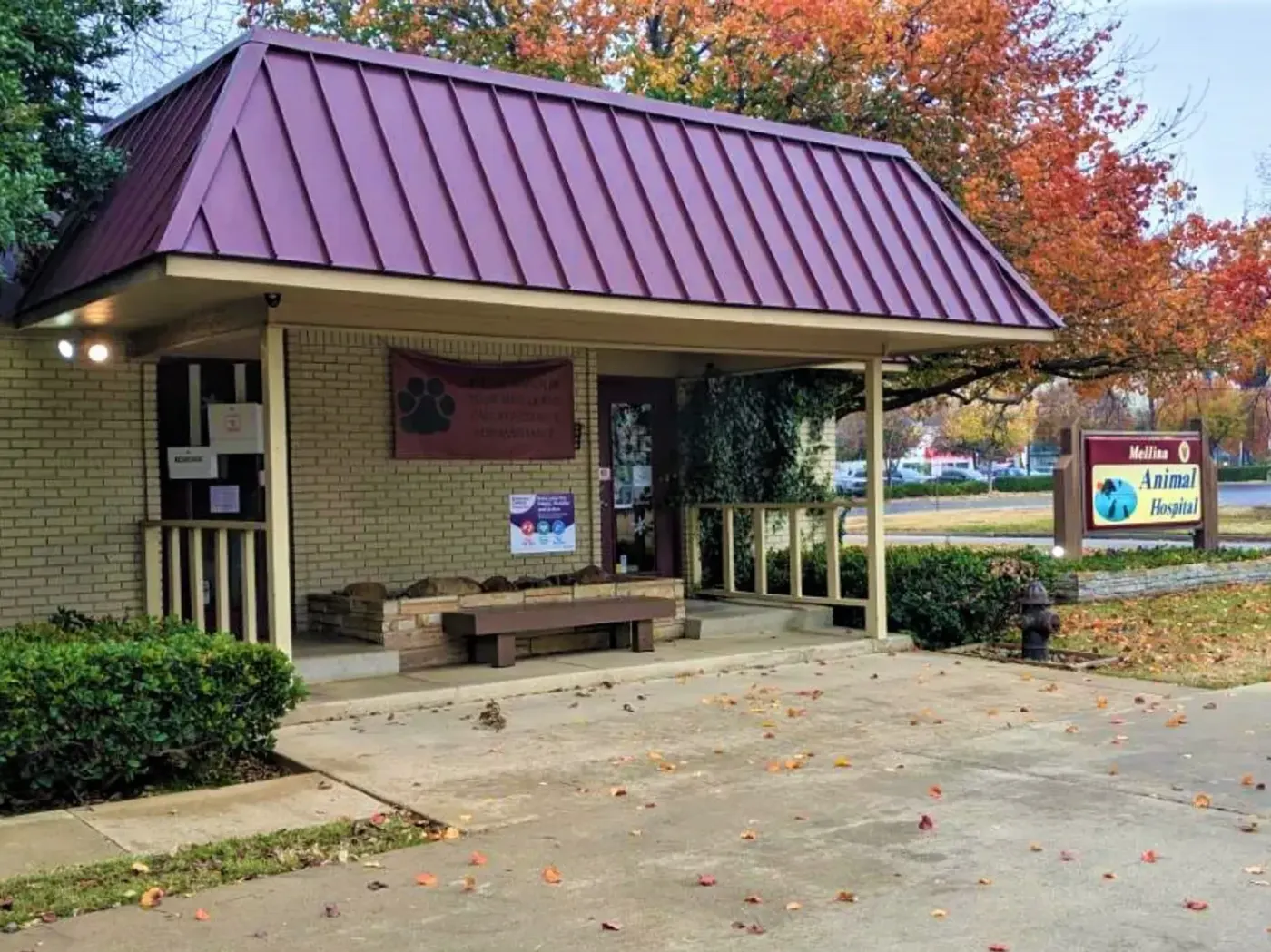
Think of it this way: the worms are like debris in a pipe. When your dog is calm, the debris settles, and the body can safely clear it. When your dog jumps, the debris gets stirred up and can clog critical passages. That's why veterinarians—including our team at Mellina Animal Hospital in Fort Worth—insist on strict rest during recovery.
Even if your dog seems fine, the risk is real. Many owners report that their dog acts normal after treatment, but the danger is invisible. Following the American Heartworm Society guidelines, we recommend no jumping for at least 6–8 weeks after the final injection. Your dog's life depends on it.



Complete Aftercare Guide for Heartworm Treatment
Proper aftercare is the most important part of heartworm treatment. Here's a step-by-step routine to keep your dog safe and comfortable during recovery.
- Crate rest – Keep your dog in a crate or small room for most of the day. This prevents sudden movements and keeps them calm. Only allow them out for short, supervised bathroom breaks.
- Short leash walks – Take your dog outside on a short leash—no longer than 5–10 minutes—just to relieve themselves. Keep the walk slow and steady, and avoid stairs, curbs, or any place where they might pull or lunge.
- Mental stimulation – Boredom can lead to restlessness. Offer chew toys, puzzle feeders, or frozen Kongs to keep them occupied without physical activity. Rotate toys to keep things interesting.
- Monitor vital signs – Check your dog's temperature, breathing, and gum color daily. Any changes—like coughing, lethargy, or pale gums—should be reported to your vet immediately.
- Follow-up appointments – Attend all scheduled rechecks. Your vet will confirm the heartworms are gone and tell you when it's safe to resume normal activity.
If you're in Fort Worth and need guidance, our team is here to help. We've served the community for over 40 years and can answer any questions about your dog's recovery.
How Long Should My Dog Avoid Jumping and Exercise?
The timeline for activity restriction depends on the treatment stage and your dog's condition. Here's a general guide:
| Treatment Phase | Activity Restriction | Duration |
|---|---|---|
| Before first injection | Restrict to short leash walks | 2–4 weeks |
| After first injection (Melarsomine) | Strict crate rest, no running/jumping | 4–6 weeks |
| After second and third injections | Strict crate rest, no running/jumping | 6–8 weeks |
| After final injection | Gradual increase in activity | 2–4 weeks |
| Full recovery | Normal activity, including couch access | After vet confirmation |
These timelines are based on American Heartworm Society guidelines. Your vet may adjust them based on your dog's size, age, and overall health. Always follow your vet's specific instructions.
Safe Alternatives to Jumping on the Couch
Your dog may still want to be near you on the couch. Here are safe ways to let them join you without risking their recovery:
- Use a ramp or stairs – Place a pet ramp or stairs next to the couch so your dog can walk up and down without jumping. This still requires some effort, so only allow it if your vet approves.
- Carry your dog – For small dogs, simply pick them up and place them on the couch. For larger dogs, use a sling or have someone help you lift them.
- Create a cozy floor bed – Put a comfortable dog bed next to the couch. Your dog can lie beside you without the risk of jumping.
- Use a baby gate – If your dog is prone to jumping, block off the couch area entirely during recovery.
- Provide chew toys – Keep your dog entertained with chew toys or puzzle feeders while they rest on the floor.
Remember, the goal is to keep your dog calm and safe. A few weeks of floor cuddles are worth a lifetime of health.
Why Jumping Is Restricted After Heartworm Treatment
Understanding the medical reason behind the restriction helps you follow it faithfully. Here's what happens inside your dog's body:
- Adult heartworms die – The Melarsomine injection kills adult heartworms in the heart and lungs.
- Dead worms break apart – The dead worms are broken down by the immune system, but this takes time.
- Risk of embolism – If your dog jumps or exercises, the dead worms can clump together and block blood vessels, causing a pulmonary thromboembolism.
- Potential stroke or death – A blockage can cut off blood flow to the lungs, leading to respiratory failure or sudden death.
This is why exercise restriction is non-negotiable. Even a single jump can be dangerous. Our team at Mellina Animal Hospital has seen the consequences firsthand, and we want to prevent them for your dog.
Signs of Complications to Watch For
After heartworm treatment, monitor your dog daily for these warning signs. If any appear, contact your vet immediately.
- Coughing – Persistent or worsening cough, especially with blood.
- Lethargy – Unusual tiredness or reluctance to move.
- Pale gums – Gums that are white, blue, or very pale.
- Difficulty breathing – Rapid or labored breathing, or panting without exertion.
- Loss of appetite – Refusing food for more than a day.
- Fever – Temperature above 103°F (39.4°C).
If you notice any of these, call us at (817) 332-8179 or your nearest emergency vet. For after-hours emergencies, we recommend Fort Worth Animal Emergency Hospital.
When Can My Dog Return to Normal Activity?
Your dog can return to normal activity once your vet confirms the heartworms are gone. Here's what to expect:
| Recovery Milestone | Typical Timeframe | What to Expect |
|---|---|---|
| Final injection | Day 0 | Strict rest begins |
| First recheck | 4–6 weeks | Blood test to check for heartworms |
| Second recheck | 6–8 weeks | Confirm heartworms are cleared |
| Full clearance | 3–6 months | Normal activity allowed |
After full recovery, your dog can jump on the couch and enjoy life as usual. Most dogs live a normal lifespan after successful treatment. Keep up with monthly prevention to avoid reinfection.
What If My Dog Jumped or Got Excited During Treatment?
If your dog jumped on the couch or got excited during treatment, don't panic. One incident doesn't automatically cause complications, but it does increase the risk. Watch your dog closely for the next 24–48 hours for any signs of distress, such as coughing, weakness, or difficulty breathing.
If your dog shows any of these symptoms, contact us immediately. If they seem fine, just get back on track with strict rest. We understand accidents happen—what matters is that you're vigilant and committed to the recovery plan.
For details on services and visits, see the main page about veterinarian fort worth.
Sources
Also asked as
- Is it safe for my dog to jump on furniture during heartworm treatment?
- When can my dog jump on the couch after heartworm shots?
- Can my dog get on the sofa while recovering from heartworm treatment?
Frequently asked questions
How long should I rest my dog after heartworm treatment?
Your dog needs strict rest for at least 6–8 weeks after the final injection. This means no running, jumping, or playing. Short leash walks for bathroom breaks only. Your vet will give you specific instructions based on your dog's condition.
How do dogs act after heartworm treatment?
Many dogs feel tired and lethargic for a few days after each injection. Some may have mild pain at the injection site. Others may seem normal, but it's important to keep them calm regardless. Watch for any signs of complications.
How long does a dog need to be crated after heartworm treatment?
Crate rest is typically required for 6–8 weeks after the final injection. The crate should be large enough for your dog to stand and turn around, but not so large that they can run. Use chew toys and puzzle feeders to keep them entertained.
How do heartworms leave a dog's body after treatment?
Dead heartworms are broken down by the immune system and absorbed into the body over several weeks. The dead worms can cause blockages, which is why rest is crucial. The body gradually clears them without you noticing.
Do heartworms shorten a dog's life after treatment?
If treatment is successful and the dog recovers fully, their lifespan is usually normal. However, severe heartworm disease can cause permanent damage to the heart and lungs. Early treatment and proper aftercare improve the outlook.